
Product Description
The Channel That Turns Concrete into an Adjustable Fixing Rail
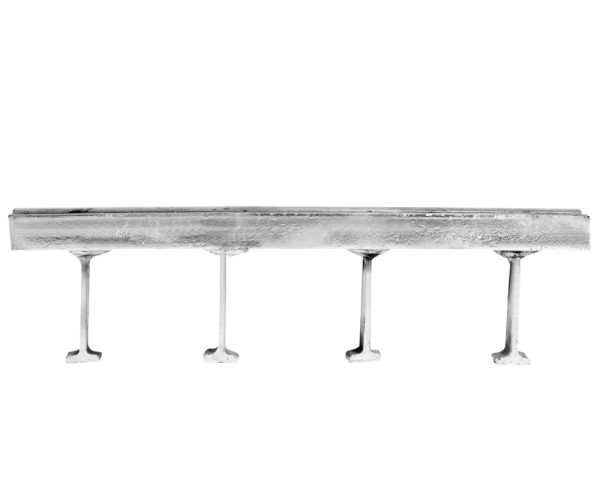
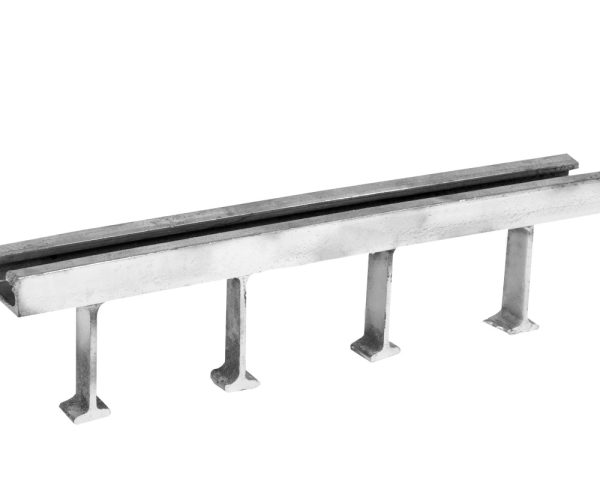
A cast-in anchor channel — often called a Halfen channel — is a slotted steel profile embedded flush into concrete during pouring. Once the concrete cures, T-bolts slide freely along the slot, allowing curtain wall brackets, pipe supports, or machinery to be fixed at any position along the channel length.
This adjustability eliminates the precision pressure on embed plate placement. If the channel runs the full length of the slab edge, the installer simply slides the T-bolt to the correct location and tightens. No core drilling. No chemical anchors. No rework when the as-built position doesn’t match the drawing.
Fabao Machinery manufactures anchor channels in carbon steel, stainless steel, and high-strength steel, with matching T-bolts, serrated locking washers, and end caps supplied as a complete system.
Halfen Channel vs. Embed Plate: When to Use Which
| Factor | Anchor Channel (This Product) | Embed Plate |
|---|---|---|
| Adjustment | Continuous — bolt slides anywhere along slot | Fixed — holes at pre-determined positions only |
| Installation Tolerance | Compensates for up to ±25mm deviation | Requires accurate placement before concrete pour |
| Load Distribution | Spread across channel length via T-bolt engagement | Concentrated at anchor leg positions |
| Best For | Long linear fixing lines: slab edges, parapets, service runs | Point loads: column bases, isolated bracket connections |
| Typical Installation | Nailed to formwork, cast flush with concrete surface | Tied to rebar cage, cast into slab or beam |
Anatomy of a Fabao Anchor Channel
| Component | Description | Material |
|---|---|---|
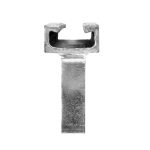
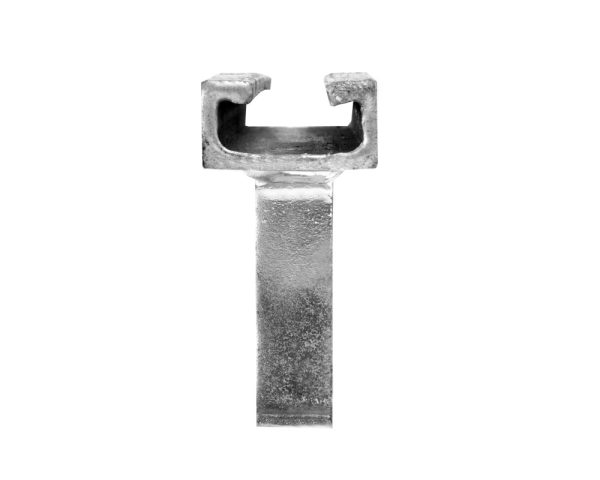
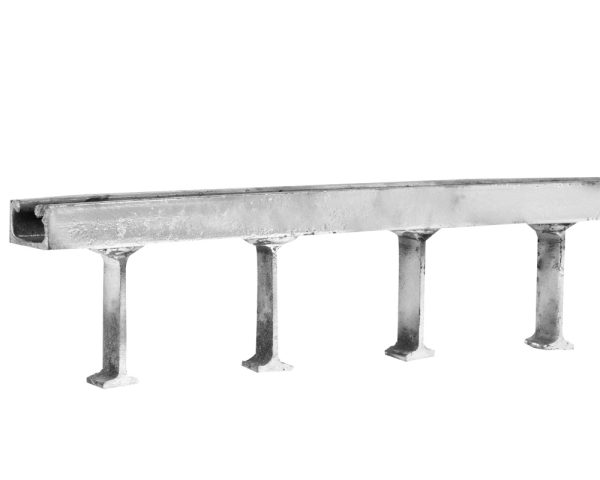
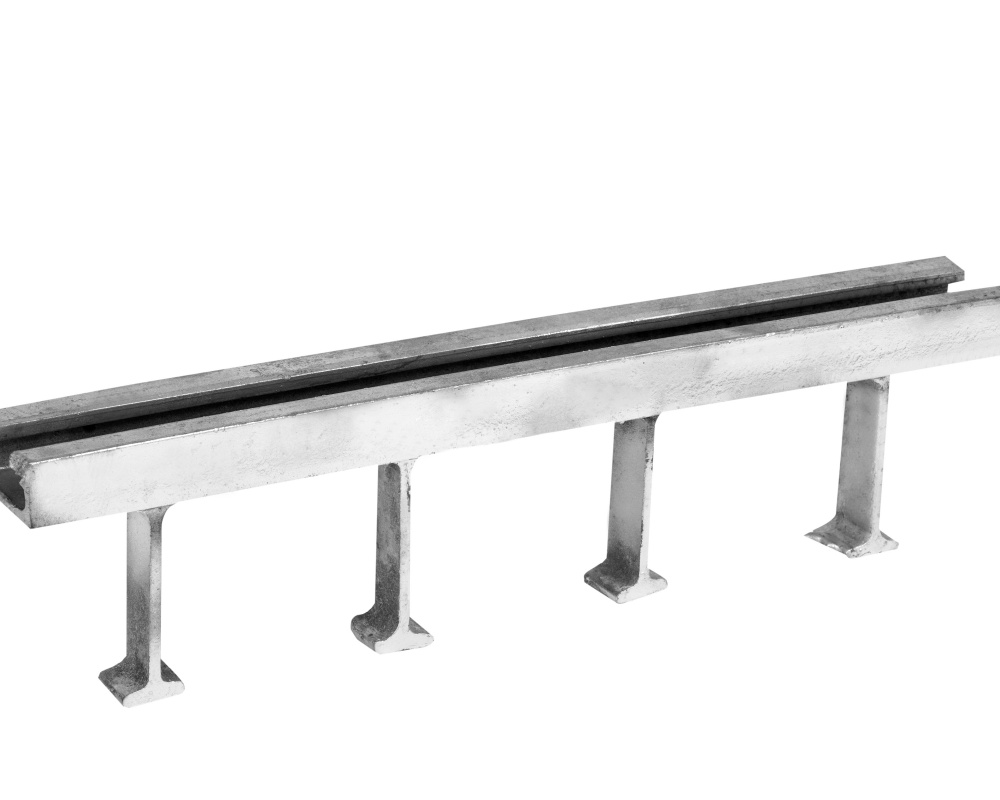
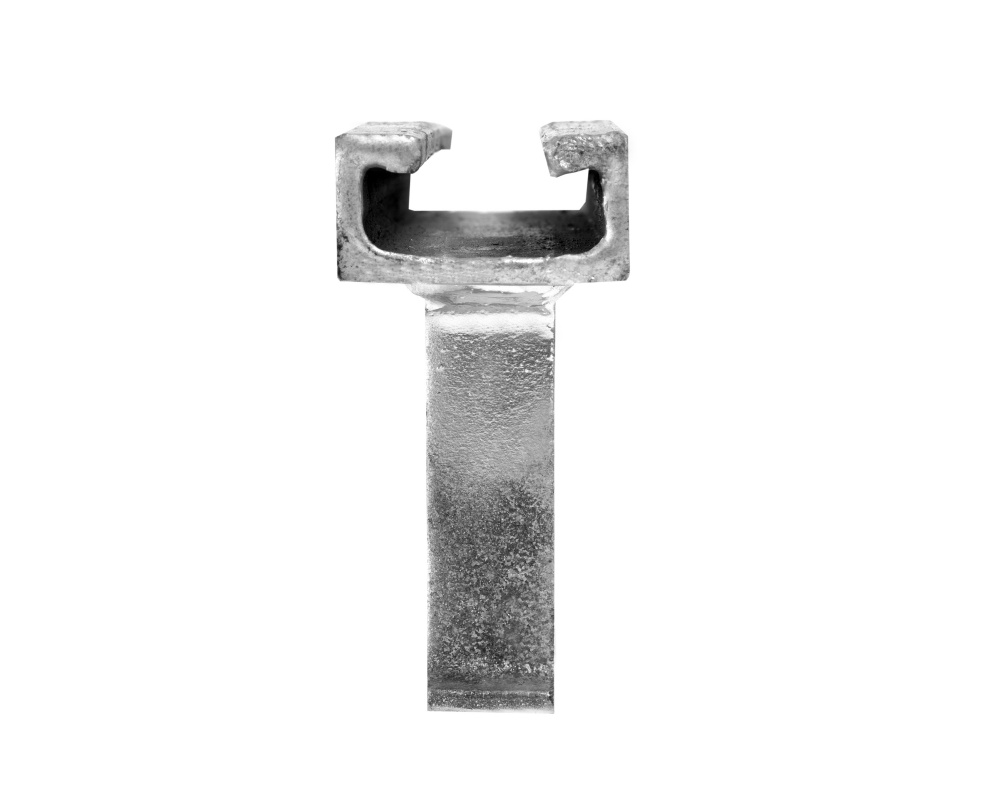
| Channel Body | C-shaped profile with serrated inner surface for positive T-bolt engagement | Q235B HDG / SS316 |
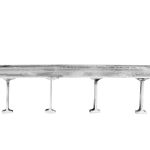
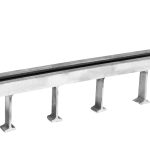
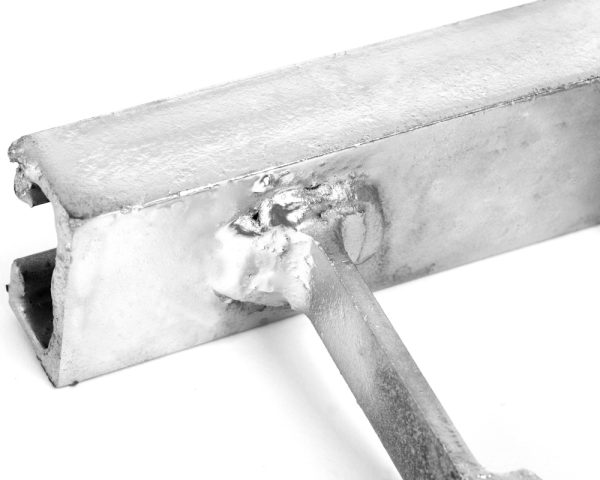
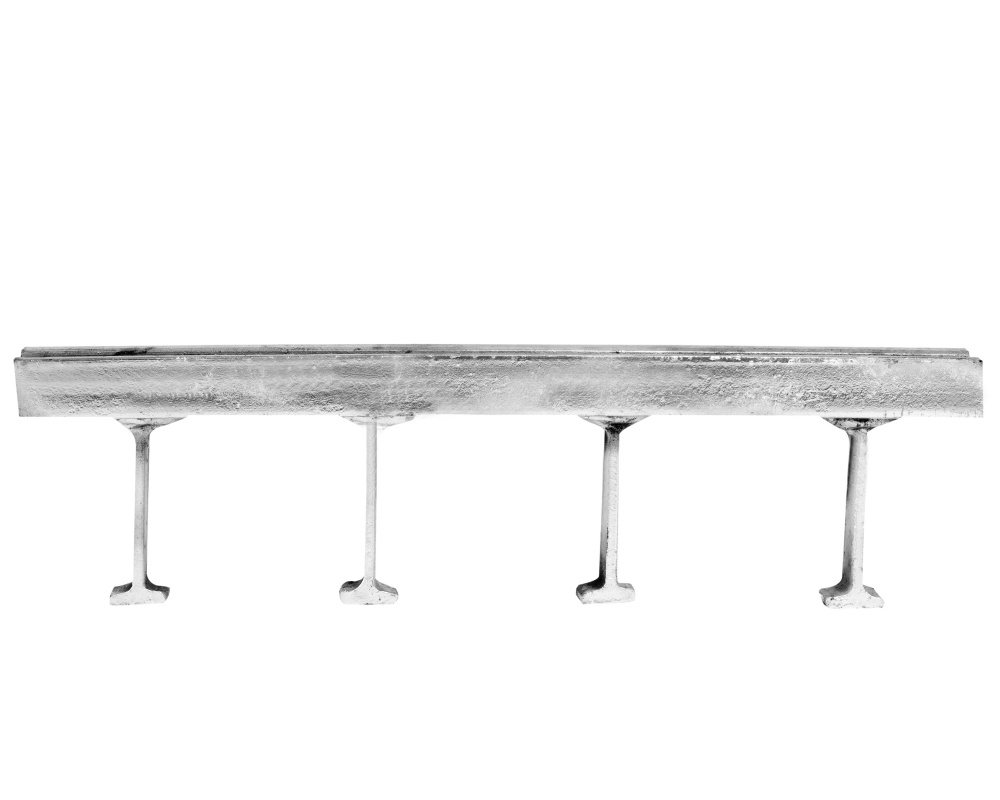
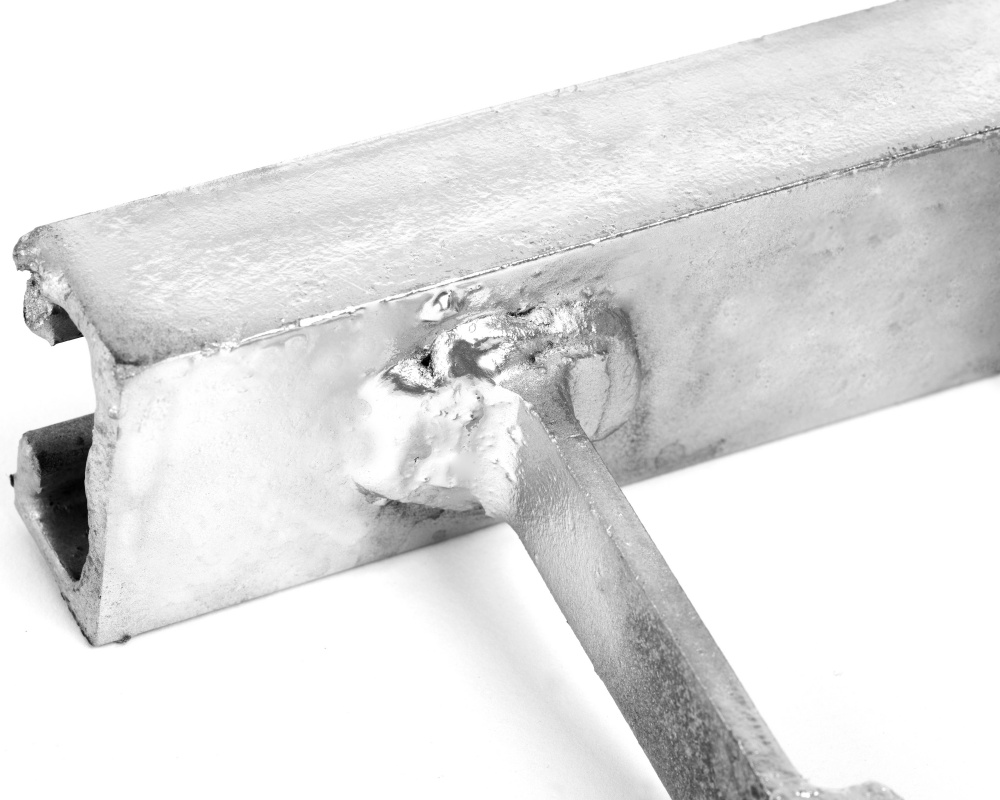
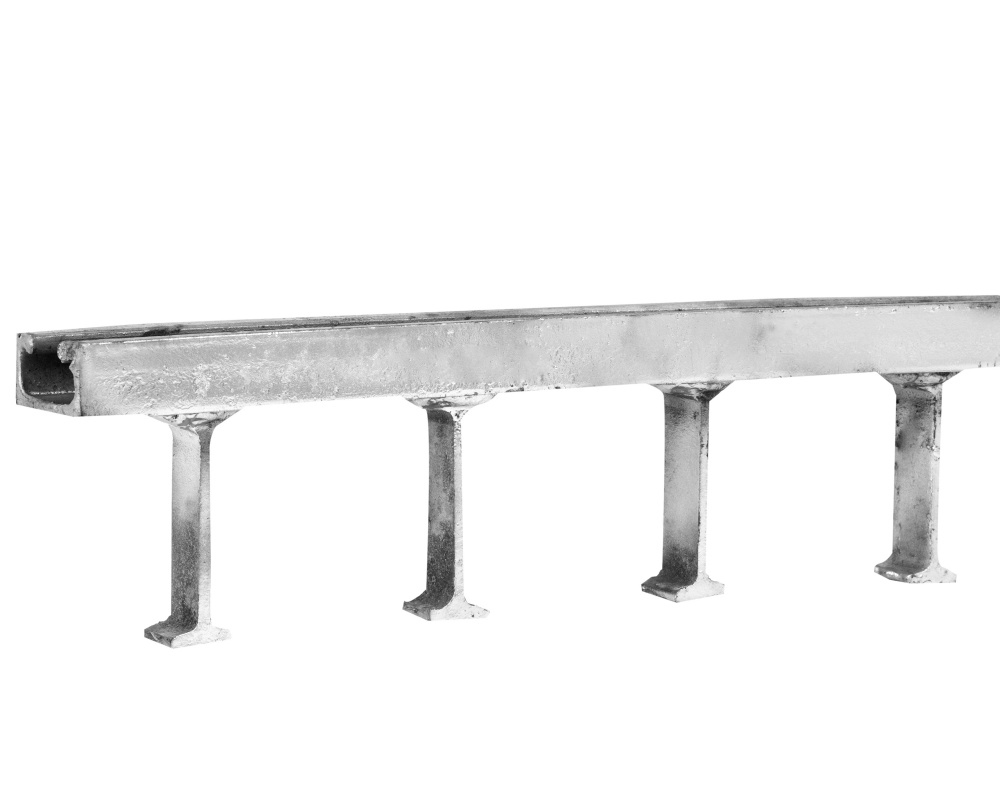
| Anchor Legs | Welded to channel back at regular intervals; embed into concrete | Deformed rebar or round bar |
| T-Bolts | Hammer-head bolts that slide inside the channel and rotate 90° to lock | Grade 8.8 / SS304 |
| Serrated Washer | Locks T-bolt position against channel serrations under torque | HDG or SS |
| End Caps | Closes channel ends to prevent concrete ingress during pouring | Plastic or steel |
Standard Dimension Range
| Model | Channel Size (mm) | Slot Width (mm) | Leg Spacing (mm) | Length (m) | Material |
|---|---|---|---|---|---|
| HC-28/15 | 28 × 15 | 14 | 200 | 3.0 / 6.0 | Q235B |
| HC-30/20 | 30 × 20 | 14 | 250 | 3.0 / 6.0 | Q235B |
| HC-38/23 | 38 × 23 | 18 | 250 | 3.0 / 6.0 | Q235B |
| HC-40/25 | 40 × 25 | 18 | 250 | 3.0 / 6.0 | Q235B |
| HC-50/30 | 50 × 30 | 22 | 300 | 3.0 / 6.0 | Q235B |
| HC-55/35 | 55 × 35 | 28 | 300 | 3.0 / 6.0 | Q355B |
| HC-40/25-S | 40 × 25 | 18 | 250 | 3.0 | SS316 |
All lengths, leg configurations, and slot dimensions custom-produced to your structural drawings. Matching T-bolts supplied per channel specification.
Applications
-
Curtain Wall Slab-Edge Fixing – Anchor channels cast continuously along floor slab edges, allowing curtain wall brackets to be positioned precisely floor by floor, regardless of concrete tolerances.
-
Elevator Guide Rail Fixings – Halfen channels embedded in elevator core walls for adjustable bolting of guide rail brackets during installation.
-
Pipe & Building Services Support – Channels cast into soffits, walls, or columns for adjustable pipe hangers, cable trays, and ventilation duct supports.
-
Parapet & Balustrade Post Fixing – Continuous channels along parapet tops or balcony edges for adjustable post base connections.
-
Precast Concrete Panel Connections – Face-mounted channels in precast panels for adjustable site connections to the primary structure.
Frequently Asked Questions
1. Do you supply the T-bolts and washers together with the channel?
Yes. Every anchor channel order can include matching T-bolts, serrated locking washers, and plastic end caps as a complete system. Specify bolt grade and quantity per channel length.
2. How do you prevent concrete from entering the channel slot during pouring?
The channel slot is factory-filled with a removable foam or plastic filler strip. After the concrete cures, the filler is pulled out and the slot is clean and ready for T-bolt insertion. End caps prevent concrete ingress from the ends.
3. What’s the difference between hot-rolled and cold-formed anchor channels?
Hot-rolled channels have a serrated inner profile integrally formed during rolling, providing higher load capacity and better T-bolt engagement. Cold-formed channels are cost-effective for medium and light-duty applications. We produce both. Provide your load specification and we’ll recommend the appropriate type.
4. Can you supply stainless steel channels for coastal or marine environments?
Yes. Stainless steel 316 (A4) anchor channels with matching SS316 T-bolts are standard for high-corrosion environments. We also offer duplex stainless steel for extreme marine exposure projects.
5. How do you handle channel splicing for lengths longer than 6 meters?
Standard single-piece lengths are up to 6m. For longer runs, we can provide pre-welded splice connections or supply channels with alignment pins for on-site butt joining. The splice detail is coordinated with your structural engineer.
Why Fabao for Anchor Channels?
-
Serrated Inner Profile Standard – Hot-rolled serrations provide positive anti-slip T-bolt engagement without relying on bolt torque alone.
-
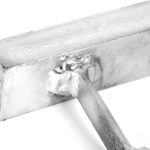
Welded Anchor Legs – CO₂ welded deformed rebar legs at specified centers; every weld visually inspected before surface treatment.
-
In-House Galvanizing – Two galvanizing lines apply consistent 50–85μm HDG coating; long channels handled on custom racks for full coverage.
-
Complete System Supply – Channels, T-bolts, washers, and end caps supplied from one source — no multi-supplier coordination.
-
Reinforced Export Packaging – Channels crated in timber-reinforced bundles; T-bolts packed separately in cartons; all strapped to export pallets.

Reviews
There are no reviews yet.