
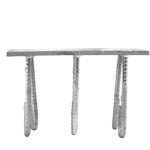
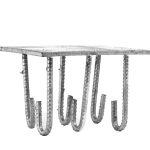
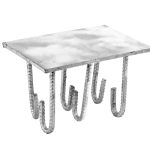
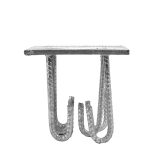
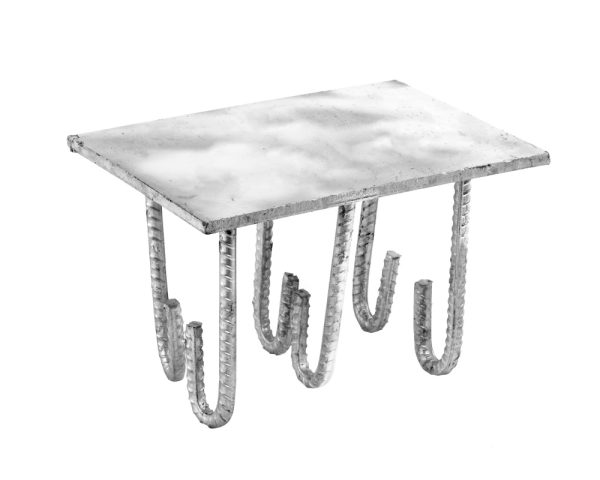
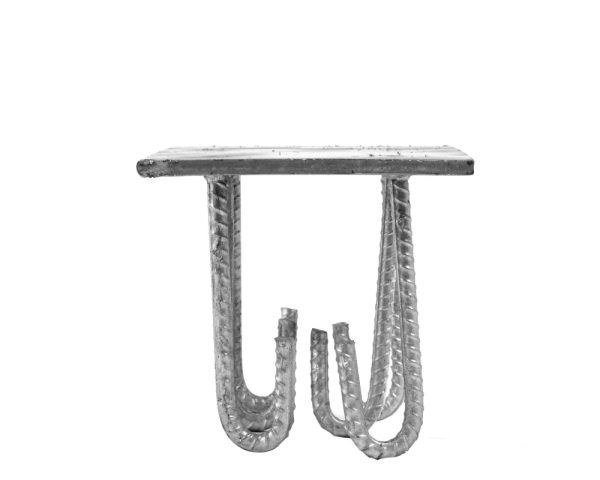
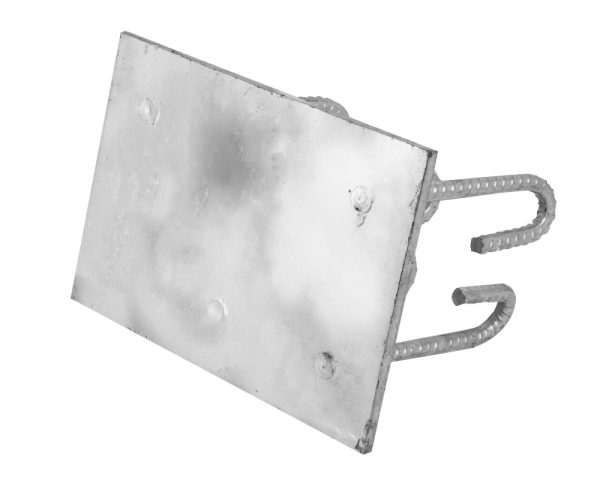
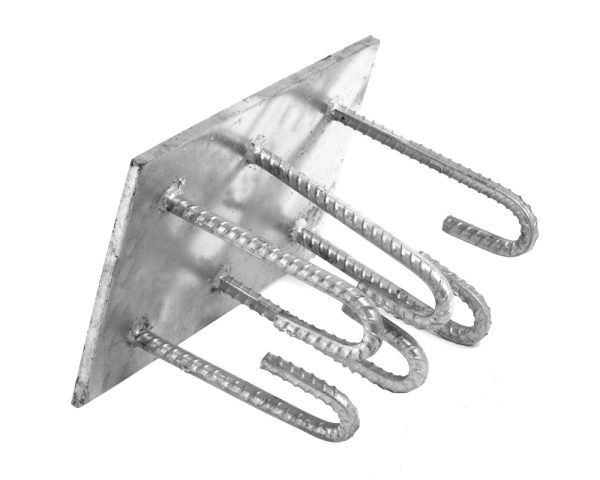
Product Description
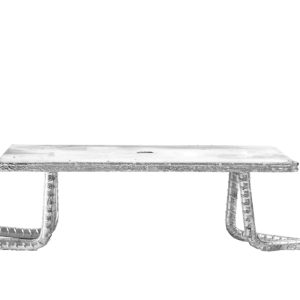
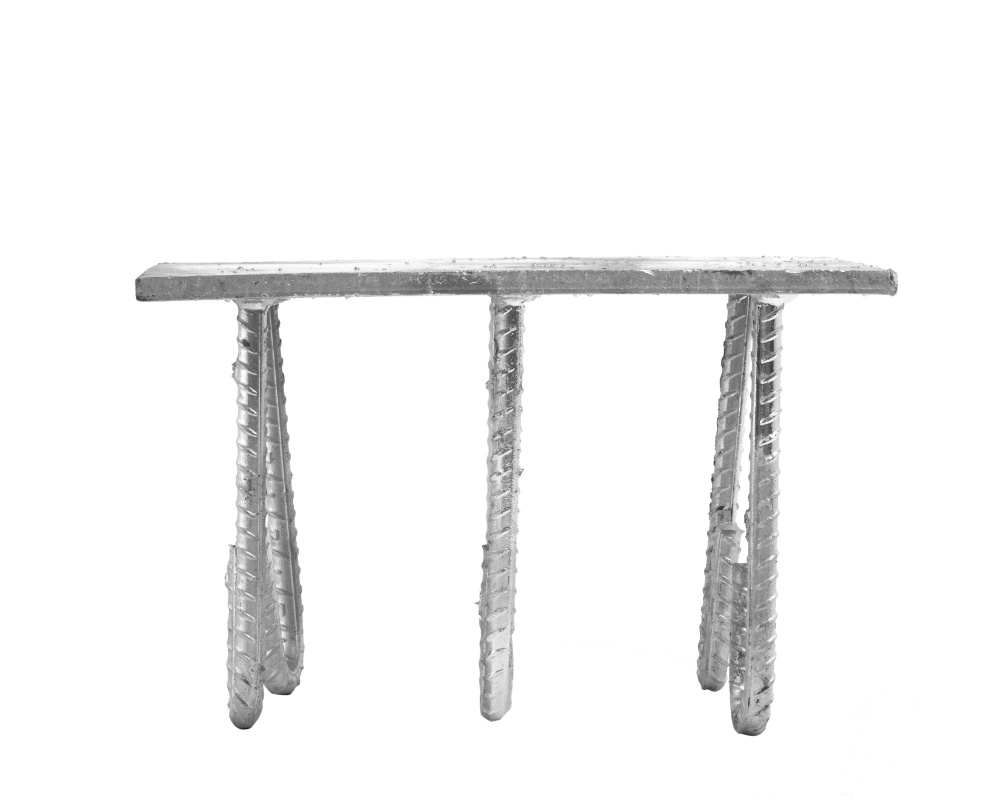
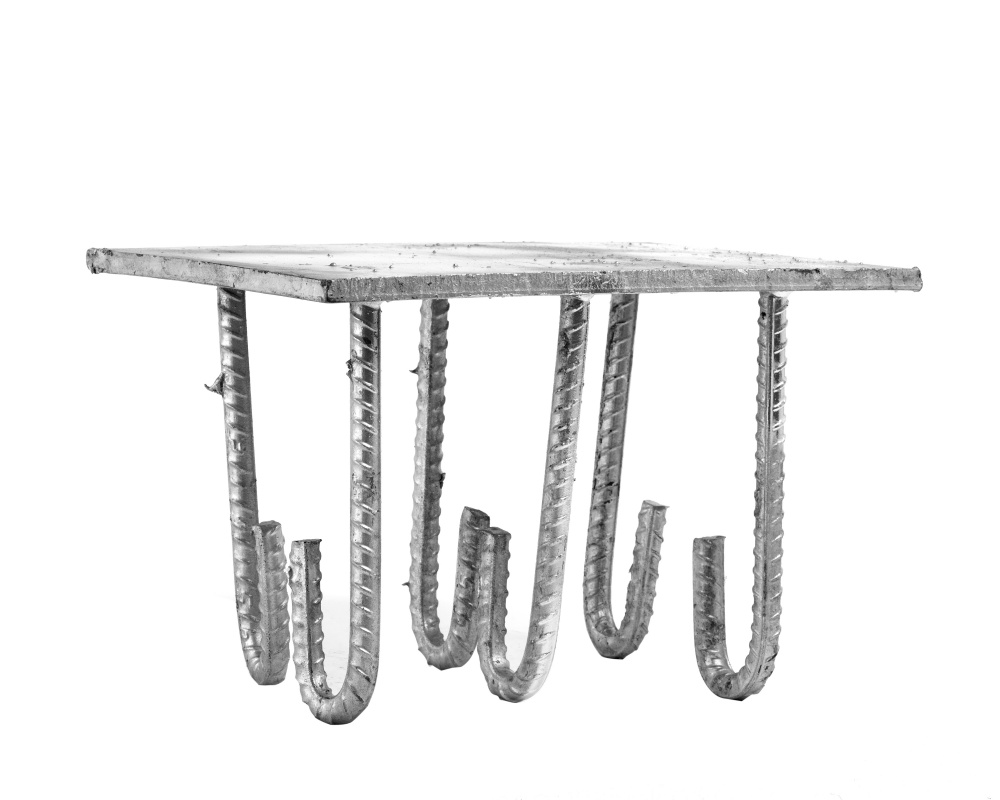
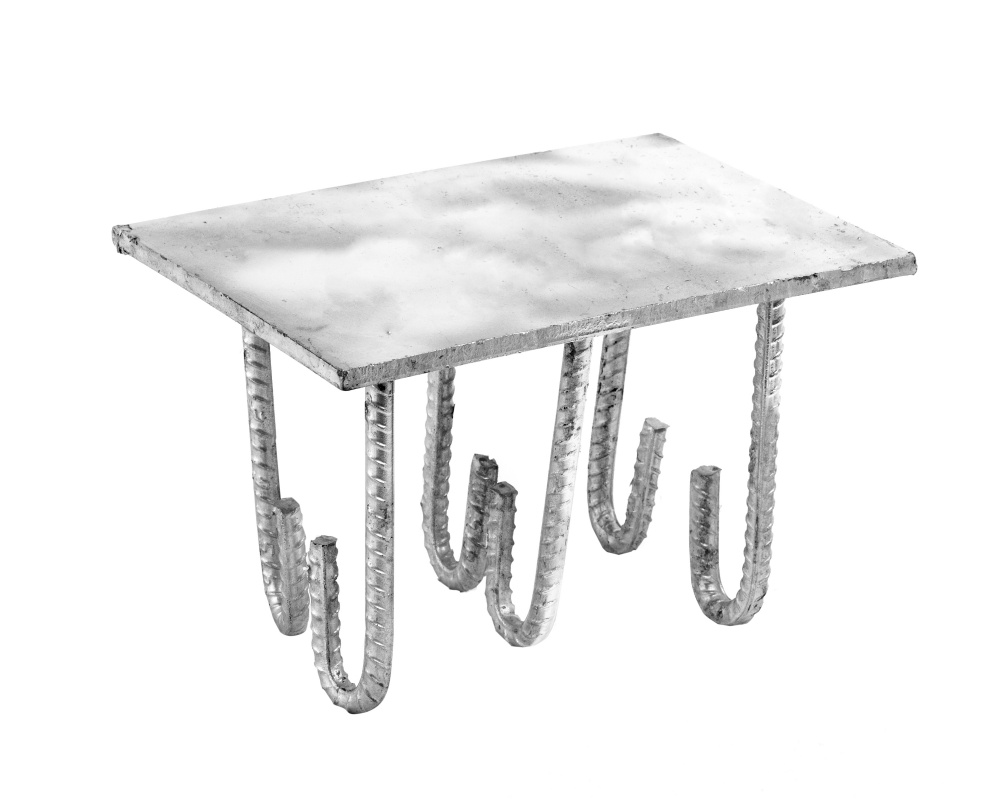
When Four Legs Aren’t Enough — Six Legs Step In
A four-leg welded stool handles most jobs. But when the structural calculations come back with tension loads above 30kN — when the anchor serves a cantilevered canopy extending 8 metres, or a transfer truss carrying three floors of curtain wall, or a bridge bearing seat — four legs may not be enough.
That’s when the six-leg welded stool appears on the drawing.
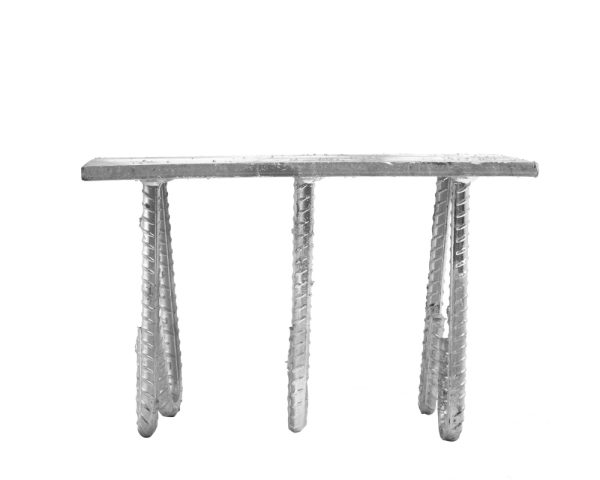
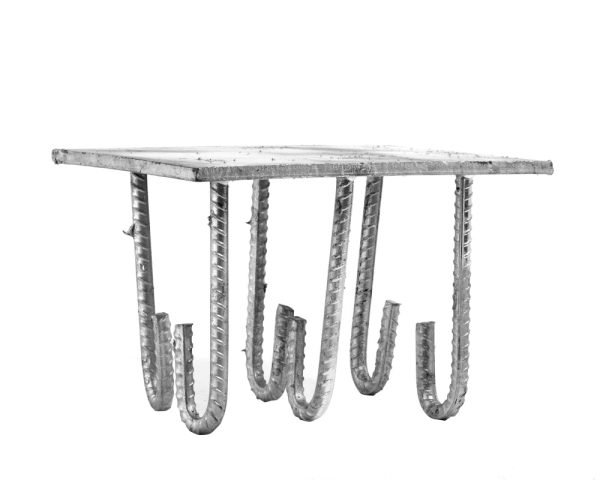
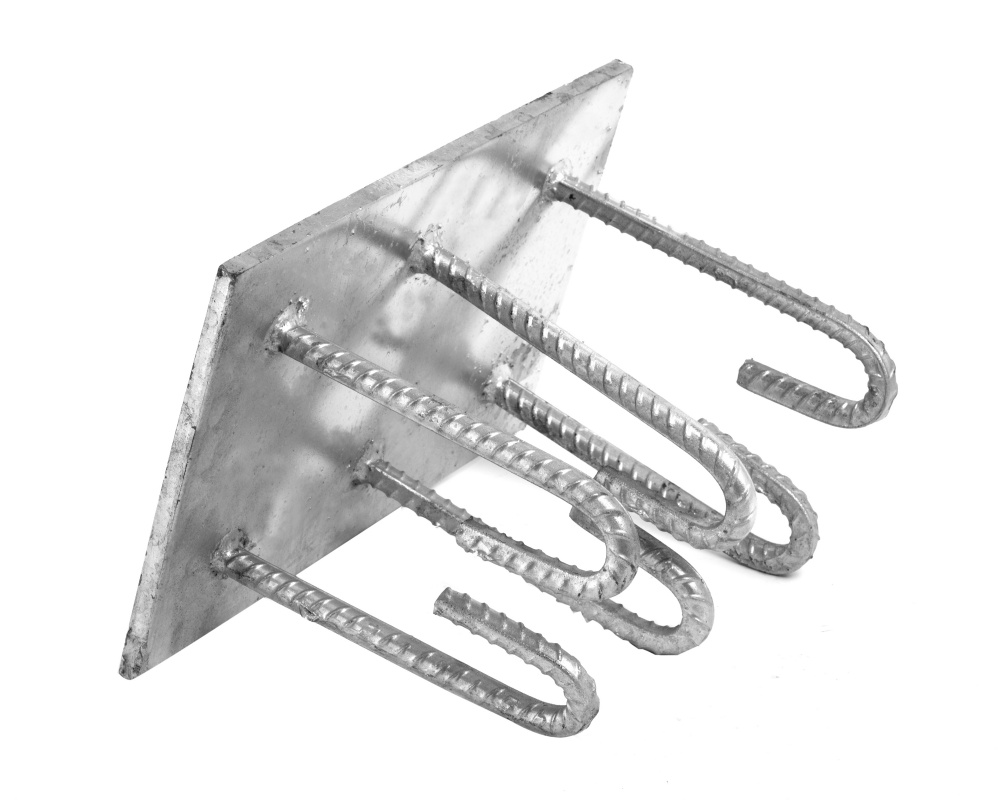
Two additional legs increase the concrete breakout cone from four zones to six, boosting pull-out capacity proportionally. More importantly, the six-leg arrangement allows the legs to be positioned in a 2×3 or 3×2 grid pattern — spreading anchorage across a wider, more stable footprint while maintaining a compact base plate. The result: higher load capacity without requiring a proportionally larger plate.
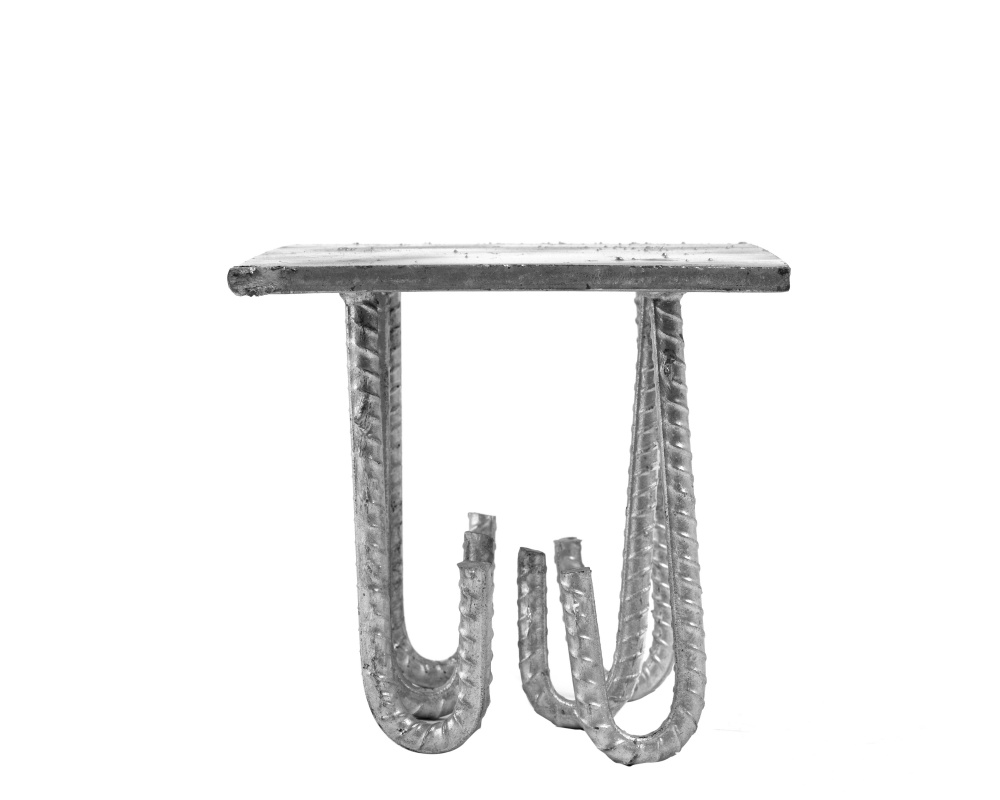
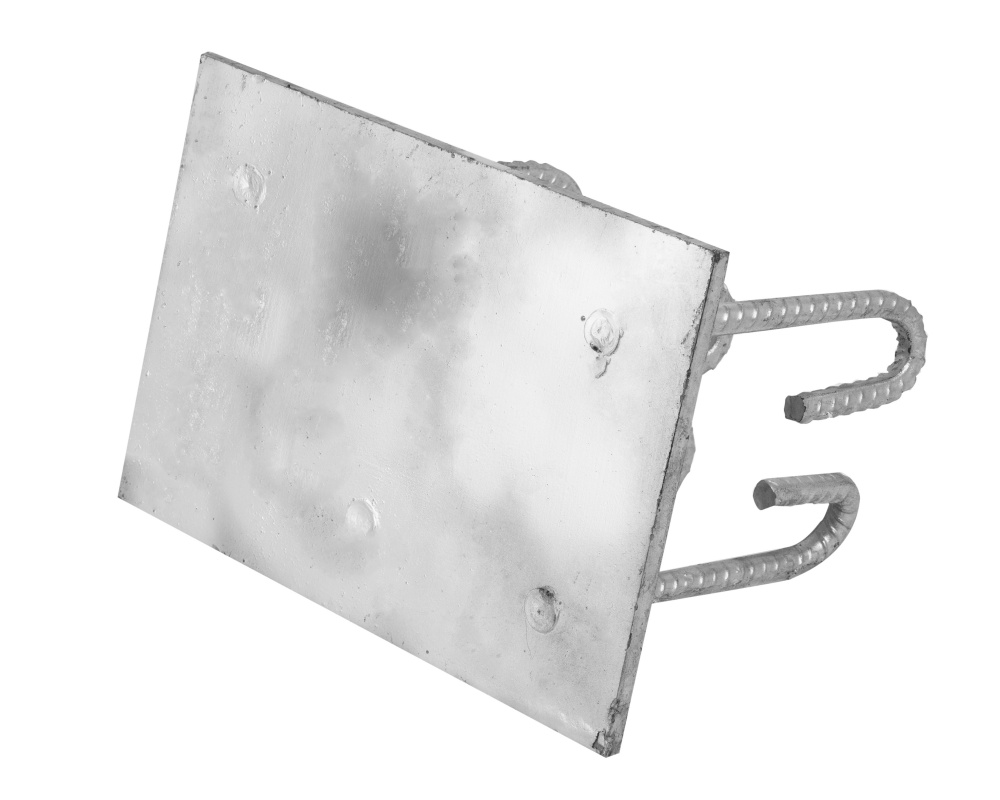
Fabao Machinery produces six-leg welded stools for the most demanding applications: high-rise curtain wall primary anchors, heavy steel column base embedments, crane rail foundations, and seismic restraint systems. With nearly 20 years of experience, we understand the welding, inspection, and coating requirements that come with this level of structural responsibility.
Why Six Legs Instead of Four — The Engineering Logic
| Factor | 4-Leg Stool | 6-Leg Stool |
|---|---|---|
| Concrete Breakout Cones | 4 | 6 |
| Typical Tension Capacity | 10–30kN | 30–80kN+ |
| Leg Arrangement | Square corners of plate | 2×3 grid or perimeter + center pair |
| Plate Footprint Efficiency | Standard | Higher capacity within same plate size |
| Redundancy Under Failure | 3 legs remaining if one fails | 5 legs remaining if one fails |
| Pouring Stability | Stable on level formwork | Extremely stable — even on slight inclines |
| Best Application | Standard curtain wall anchors | Cantilevered canopies, transfer trusses, bridge bearings, seismic anchors |
Six-Leg Configuration Patterns
 2×3 GRID PATTERN                    PERIMETER + CENTER PAIR
 ┌─────────────────┐                 ┌─────────────────┐
 │  ●       ●       ●│                 │  ●             ●│
 │                   │                 │                 │
 │                   │                 │    ●       ●    │
 │                   │                 │                 │
 │  ●       ●       ●│                 │  ●             ●│
 └─────────────────┘                 └─────────────────┘
 Uniform load distribution           Maximized edge distance plus
 across concrete zone                central reinforcement
We fabricate to your structural engineer’s leg layout, including asymmetric patterns when the connection detail demands it. Leg spacing, edge distances, and embedment depths are confirmed against your concrete specifications before production begins.
Standard Dimension Reference
| Model | Plate (mm) | Thickness (mm) | Legs (Ø × Length mm) | Leg Pattern | Material |
|---|---|---|---|---|---|
| WS6-250-Q | 250×250 | 12 / 16 | 6-Ø16 × 250 | 2×3 grid | Q235B |
| WS6-300-Q | 300×300 | 16 / 20 | 6-Ø20 × 300 | 2×3 grid | Q235B |
| WS6-400-Q | 400×400 | 20 / 25 | 6-Ø25 × 400 | Perimeter + center | Q355B |
| WS6-500-Q | 500×500 | 25 / 30 | 6-Ø28 × 500 | Custom pattern | Q355B |
| WS6-300-S | 300×300 | 16 | 6-Ø20 × 300 | 2×3 grid | SS316 |
| WS6-600-T | 600×600 | 30 / 40 | 6-Ø32 × 700 | Custom pattern | Q355B |
All dimensions, leg arrangements, and surface treatments customized to your structural drawings. Mill certificates and weld inspection reports available on request.
Applications
-
High-Rise Curtain Wall Primary Anchors – Six-leg stools at the building’s main structural transfer levels, where curtain wall loads from multiple floors converge on a single anchor point.
-
Cantilevered Canopy Tie-Downs – Heavy six-leg anchors resisting wind uplift at the rear of long-span cantilevered canopies, entrance portals, and architectural sunshades.
-
Steel Transfer Truss Embedments – Multi-leg stools cast into slab edges or column capitals where steel trusses transfer curtain wall loads into the main structure.
-
Crane Rail & Heavy Machinery Foundations – Six-leg embed plates in concrete foundations for overhead crane rail supports, crusher bases, and heavy vibrating equipment.
-
Bridge Bearing & Seismic Restraint Anchors – Large-format six-leg stools for bridge abutment bearing seats and seismic tie-down anchors in high-seismic zones.
Frequently Asked Questions
1. How do I decide between a 4-leg and a 6-leg stool for my project?
The decision is based on your structural engineer’s calculated tension and shear loads per anchor point. If tension exceeds 25–30kN per embed, or if eccentric loading creates high moment, a 6-leg stool provides the additional capacity and redundancy. Send us your loads and concrete grade; we can help confirm the leg count requirement.
2. Can all six legs be welded to the base plate in one operation?
Yes. Our jig holds all six legs in position simultaneously. Each leg is tack-welded first, then all six receive full-penetration CO₂ fillet or bevel welds in sequence. The jig controls leg perpendicularity within 1° across all six legs.
3. How do you handle the increased complexity of six-leg weld inspection?
Every weld on every leg receives 100% visual inspection for cracks, undercut, porosity, and throat thickness. For critical projects, we can provide additional dye penetrant testing or ultrasonic testing on the weld set. Inspection documentation is available.
4. What if the six legs need different lengths due to varying concrete cover or reinforcement layout?
We frequently produce stools with mixed leg lengths — for example, four legs at 300mm and two at 400mm — to suit local reinforcement conditions. Mark the required leg lengths per position on your drawing.
5. How are six-leg stools packaged to prevent leg bending during transit?
Six-leg stools are heavier and taller than standard embed plates, so we pack them in custom timber crates with leg separators. Each stool sits in its own compartment. Heavy-duty steel strapping and fumigated plywood pallets are standard for ocean freight.
Why Fabao for 6-Leg Welded Stools?
-
Six-Leg Assembly Jigs – Purpose-built jigs hold all six legs in place with precise spacing and perpendicularity during welding.
-
Thick-Plate Capability – Laser and plasma cutting handle base plates up to 40mm thick with clean holes and edge chamfers.
-
Full-Penetration Welding – CO₂ welding on every leg-to-plate joint; visual inspection 100%; additional NDT available on request.
-
In-House Galvanizing – Two galvanizing plants with custom racks for heavy stools; consistent 50–85μm HDG coverage on all faces.
-
Engineered for Transport – Custom timber crating with leg separators ensures six-leg stools arrive at site undamaged.

Reviews
There are no reviews yet.