
Product Description
It Looks Like a Simple Stool — But It Holds 30 Storeys of Glass
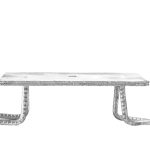
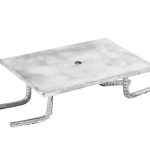
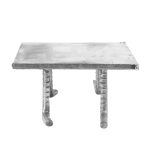
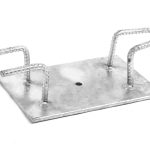
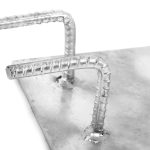
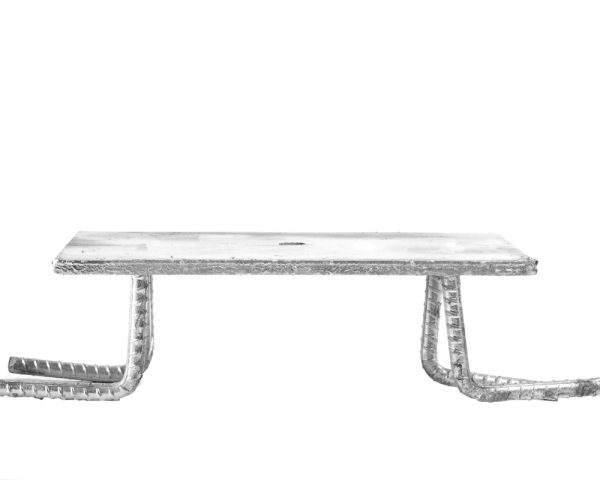
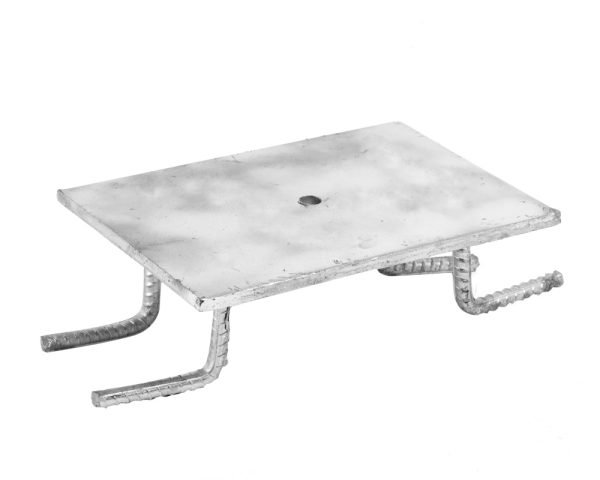
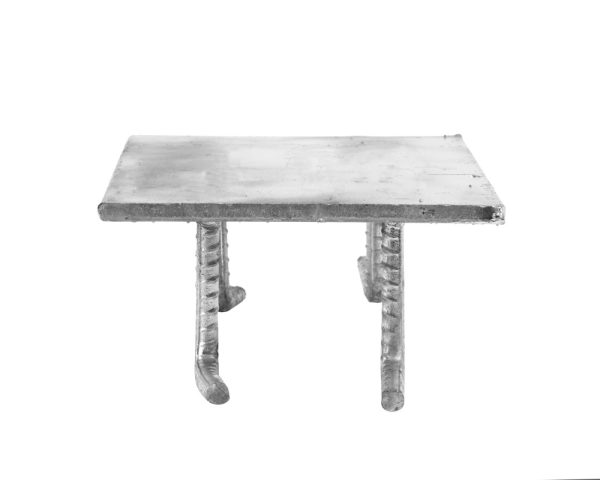
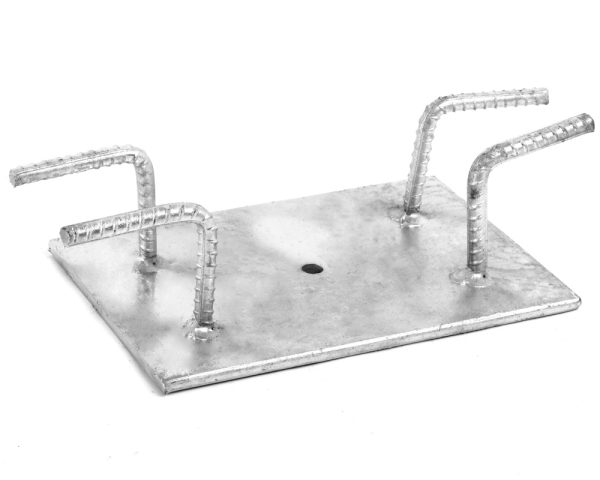
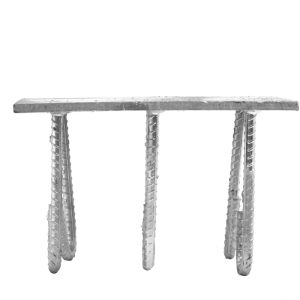
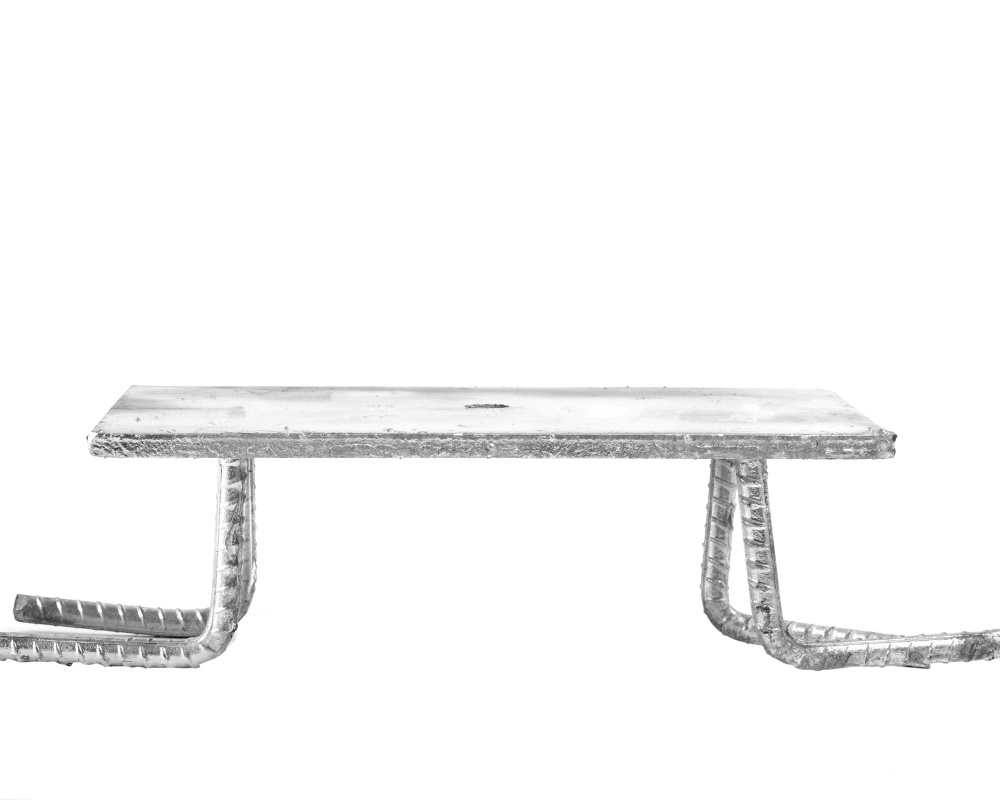
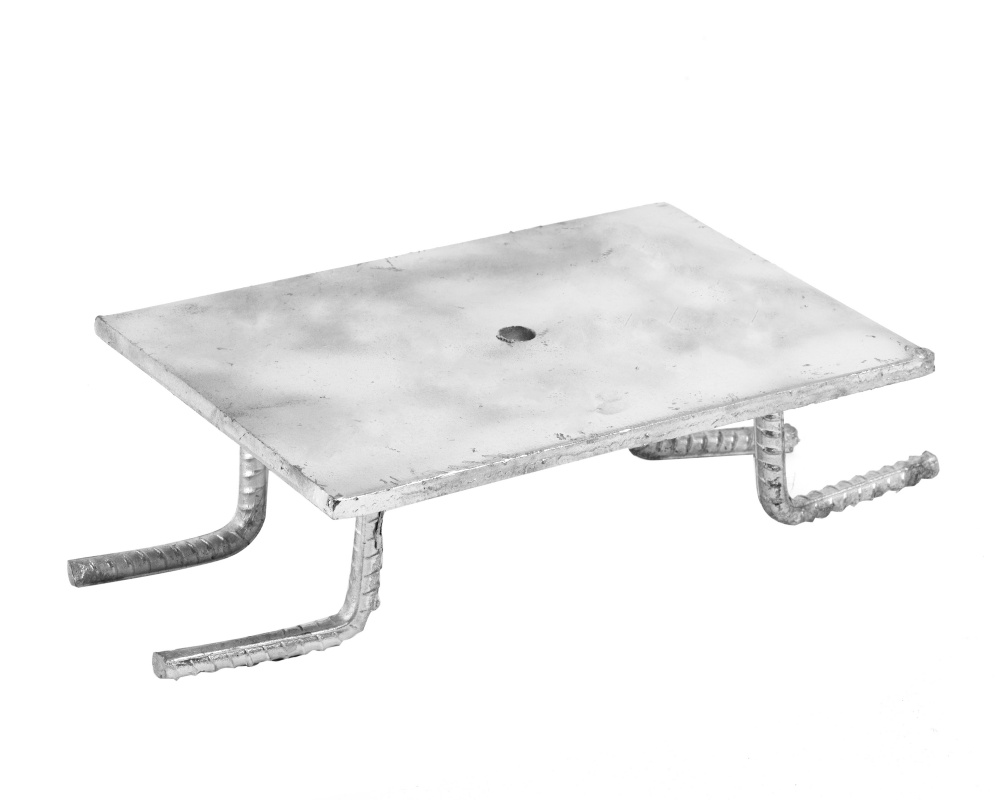
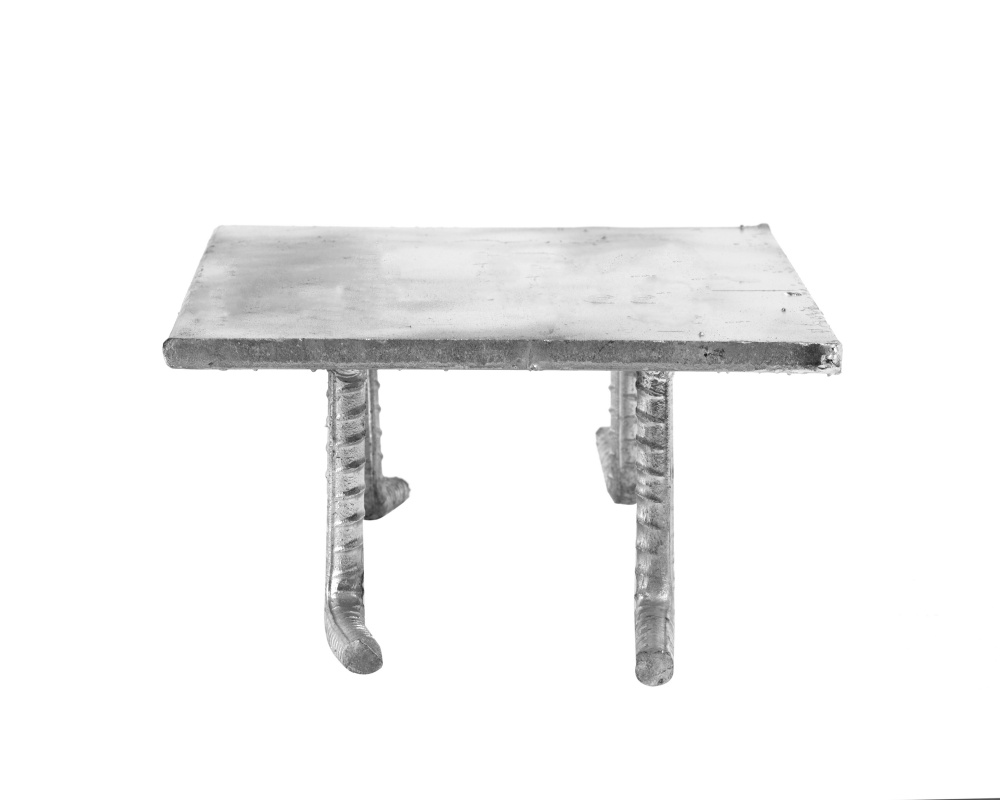
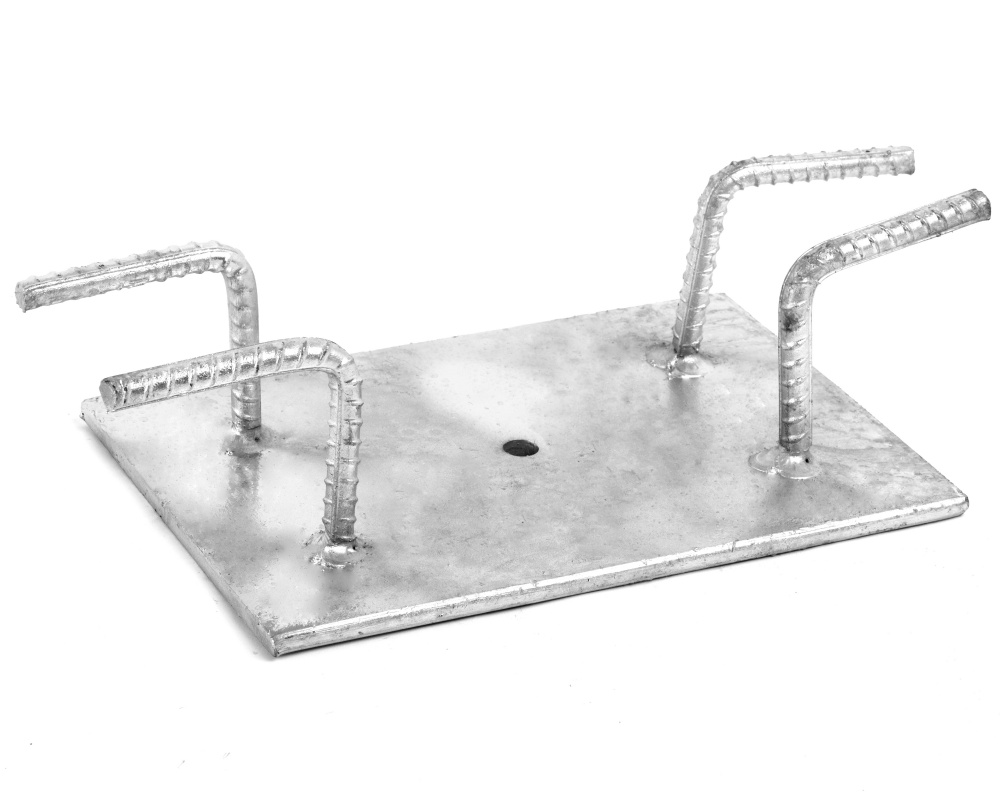
In some factory yards, workers call it the “welded stool” — and the name sticks. A flat steel plate. Four legs welded straight and true. There’s nothing elegant about it, no complex geometry, no moving parts. But once this stool is buried in concrete, it becomes the anchor that carries the entire facade.
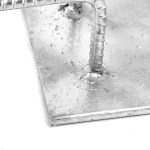
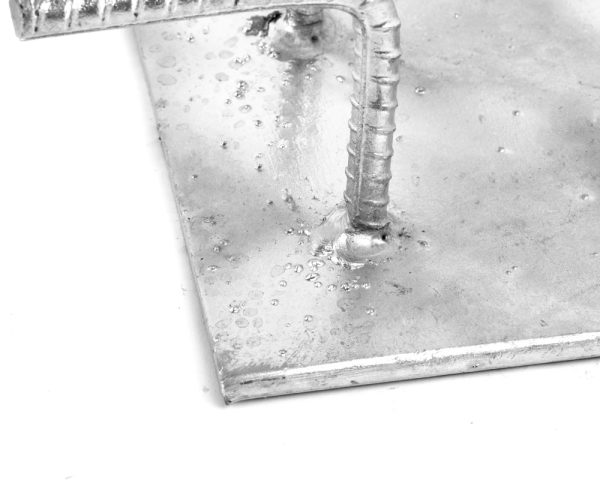
Curtain wall brackets bolt to the plate. Wind load, dead weight, thermal movement — everything flows through those four welds into the reinforcement cage. Get the stool right, and the facade stands silent for decades. Get a weld wrong, and the first sign of trouble is a crack propagating upward from a corroded anchor leg.
Fabao Machinery has been making four-leg welded stool embed plates since 2006. We don’t just cut steel and weld legs — we build them to stay buried for the life of the building.
The Anatomy of a Welded Stool
| Part | What It Is | Why It Matters |
|---|---|---|
| Base Plate | Flat Q235B or SS316 plate, laser or plasma cut to size | Transfers load from bracket to anchor legs; must stay perfectly flat |
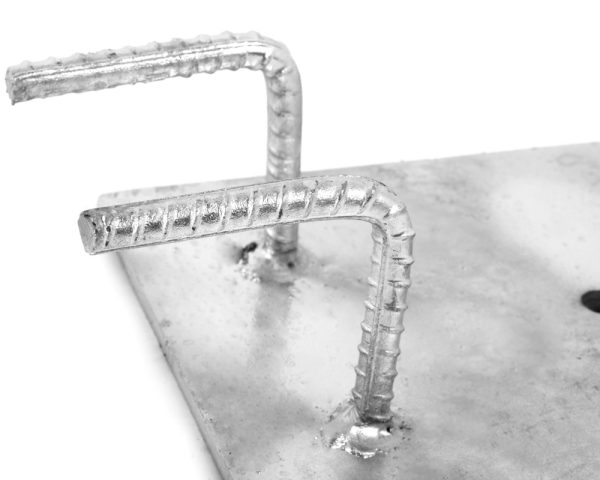
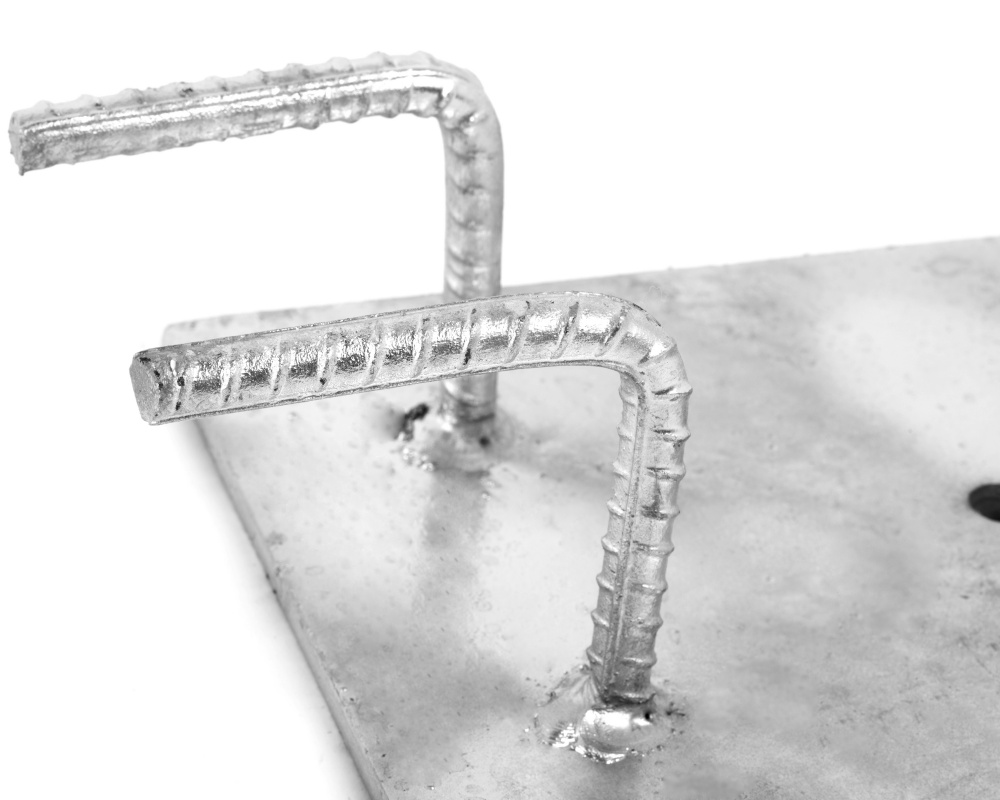
| Anchor Legs (×4) | Deformed rebar or round bar, cut to length | Provides pull-out resistance through bond with concrete |
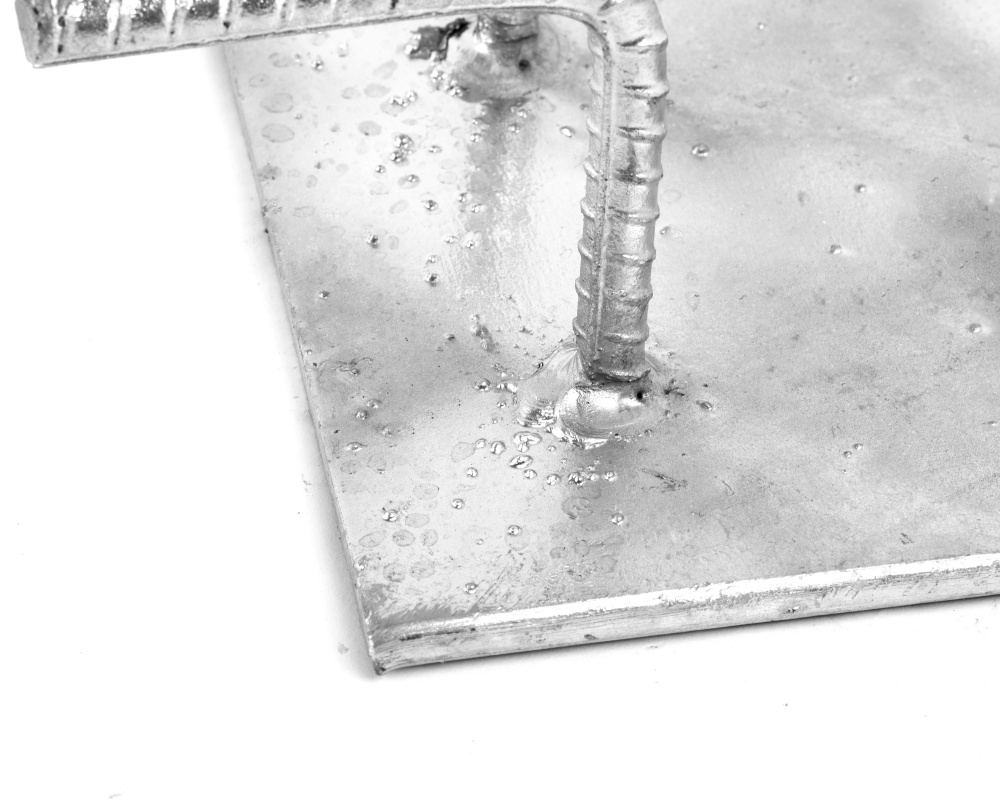
| Weld (×4) | CO₂ full-penetration fillet or bevel weld at plate-leg junction | The only connection between plate and legs — no weld, no anchor |
| Holes | Drilled or slotted for M12–M24 bolts | Must align with bracket holes to avoid site re-drilling |
| Coating | Hot-dip galvanized or electroplated | Keeps corrosion from creeping down the legs into the slab |
Why Four Legs Instead of Two?
-
Pull-out resistance: Four legs engage a larger concrete cone, significantly increasing tensile capacity.
-
Anti-rotation: Bolting a bracket onto a two-leg plate can cause twist under eccentric load; four-leg geometry resists rotation.
-
Installation stability: During concrete pouring, a four-leg stool stands upright by itself. It doesn’t need temporary wire ties to maintain position.
-
Redundancy: If one leg is compromised during pouring or vibration, three legs still provide substantial capacity.
Applications Where a Welded Stool Is Specified
-
High-rise curtain wall primary anchors – Where embed load exceeds 10kN, four-leg stools are the structural engineer’s default choice.
-
Steel column base plate embedding – Heavy stools cast into pile caps and plinths to receive column base plates.
-
Canopy and large-span awning tie-downs – Resisting wind uplift at cantilevered steel canopy connections.
-
Machinery and vibrating equipment foundations – Crusher bases, generator skids, and heavy pumps where dynamic loads demand four-leg redundancy.
-
Bridge bearing and seismic restraint anchors – Custom large-dimension stools for bridge abutments and expansion joint anchorages.
Standard Dimension Table
| Model | Plate (mm) | Thickness (mm) | Legs (Ø × Length mm) | Material | Surface |
|---|---|---|---|---|---|
| WS-200-Q | 200×200 | 10 / 12 | 4-Ø16 × 250 | Q235B | HDG |
| WS-250-Q | 250×250 | 12 / 16 | 4-Ø20 × 300 | Q235B | HDG |
| WS-300-Q | 300×300 | 16 / 20 | 4-Ø22 × 350 | Q235B | HDG / Custom |
| WS-350-Q | 350×350 | 20 / 25 | 4-Ø25 × 400 | Q235B | HDG + epoxy |
| WS-300-S | 300×300 | 12 / 16 | 4-Ø20 × 300 | SS316 | Passivated |
| WS-400-T | 400×400 | 25 / 30 | 4-Ø28 × 500 | Q355B | Per spec |
Custom plate sizes, leg diameters, and leg lengths are standard practice. Send your structural details.
Welding Quality & Inspection
| Inspection Item | Standard | Method |
|---|---|---|
| Visual check | No cracks, undercut, or porosity | 100% of welds inspected |
| Leg perpendicularity | Deviation ≤ 1° from vertical | Jig checked before welding |
| Weld throat thickness | ≥ 0.7 × leg diameter | Gauge measured on sampling |
| Pull-out test (optional) | Per project specification | Destructive test on witness samples |
| Report | Mill certificate + weld inspection log | Provided on request |
Frequently Asked Questions
1. What’s the difference between a “welded stool” and a regular embed plate?
There’s technically no difference — a welded stool is just the site nickname for a four-leg embed plate. The term highlights its three-dimensional shape: a flat top with welded legs, standing like a metal stool.
2. Can you produce stools with stainless steel legs and a carbon steel plate?
We recommend against it. Bimetallic contact in concrete can cause galvanic corrosion. It’s safer to use homogeneous materials — all carbon steel or all stainless — for buried embed plates.
3. How do you prevent the legs from bending during concrete placement?
Our tack-welding jig holds the legs at exactly 90° before full welding. For long legs (>400mm), we recommend cross-bracing between legs (a rebar tie at mid-height), which we can supply pre-installed.
4. What if the site needs 5mm more plate thickness than your table shows?
No problem. We can produce any intermediate thickness. Just specify the required thickness on your drawing.
5. Are these suitable for seismic zones?
Yes. With proper design (full-penetration welds, adequate leg embedment depth), four-leg stools perform well under cyclic loading. Provide your seismic design parameters and we’ll fabricate accordingly.
Why Fabao for Welded Stool Embed Plates?
-
Four-Leg Specialists – Nearly 20 years of making stool-type anchors for high-rise, railway, and mining foundations.
-
Full-Penetration Welding – CO₂ welding with visual and dimensional inspection on every piece.
-
Deformed Rebar Stock – Ø12–Ø28 rebar stocked on-site; no procurement delays for custom leg requirements.
-
In-House Galvanizing – Consistent 50–85μm HDG coating; no quality gaps from outsourced finishing.
-
Export-Ready Packaging – Welded stools palletized with timber separators to prevent coating damage and bending in transit.

Reviews
There are no reviews yet.