
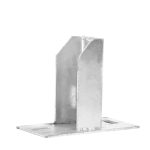
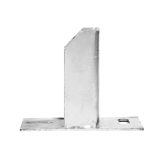
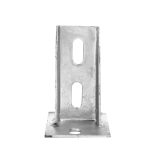
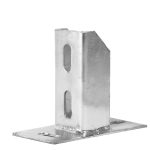
Product Description
The Foot That Holds a Column Upright — and Keeps It There
A steel column doesn’t simply stand on concrete. It bears on a base plate, bolted through anchor rods grouted into the foundation. In curtain wall systems, these bases are small but critically loaded: a 3-metre mullion, a canopy post, a balustrade upright — every vertical member terminates at a foot bracket that transfers compression, tension, and moment into the slab.
If the base plate isn’t level, the column leans. If the bolt holes don’t align, the crew grinds them open. If the plate isn’t thick enough, it bends under load and the column drifts.
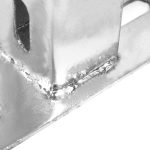
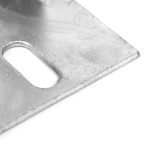
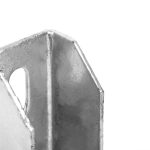
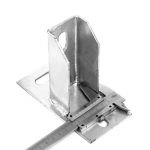
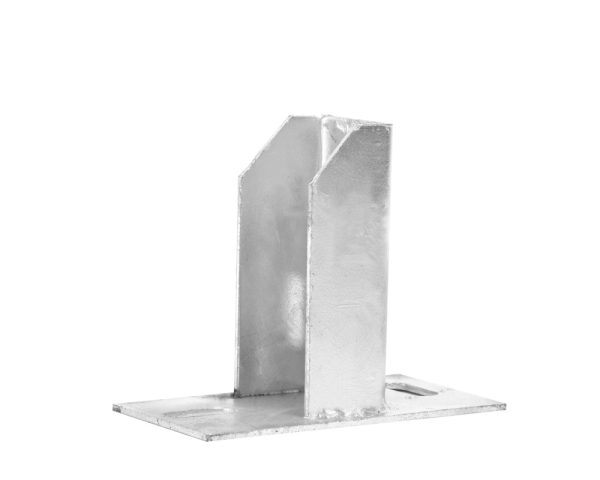
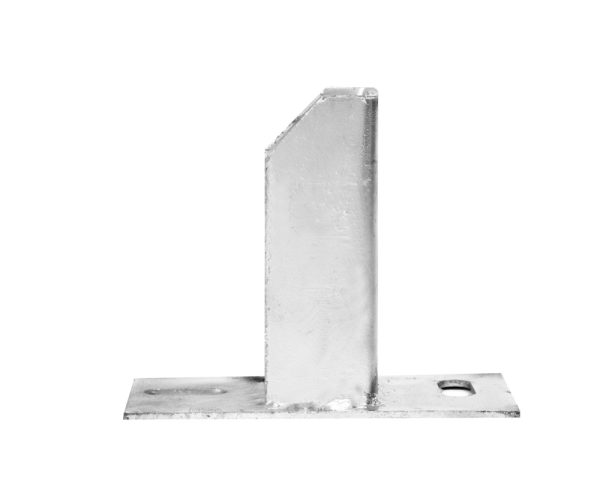
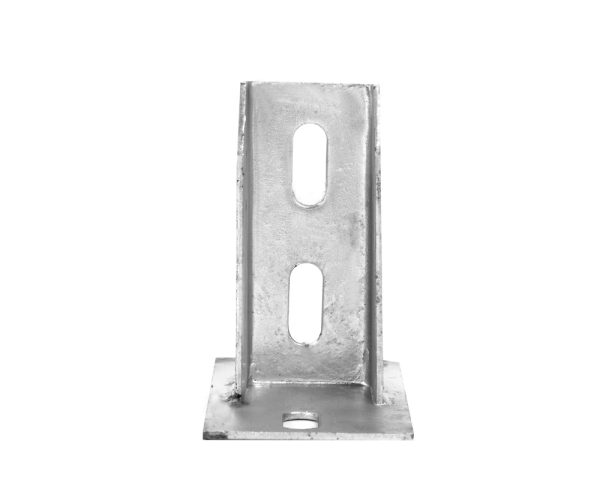
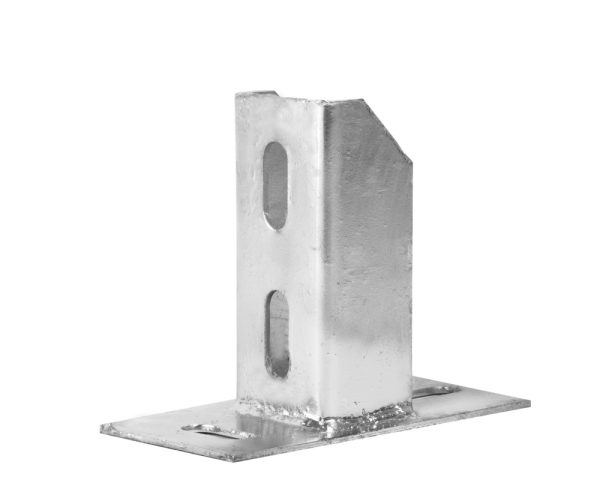
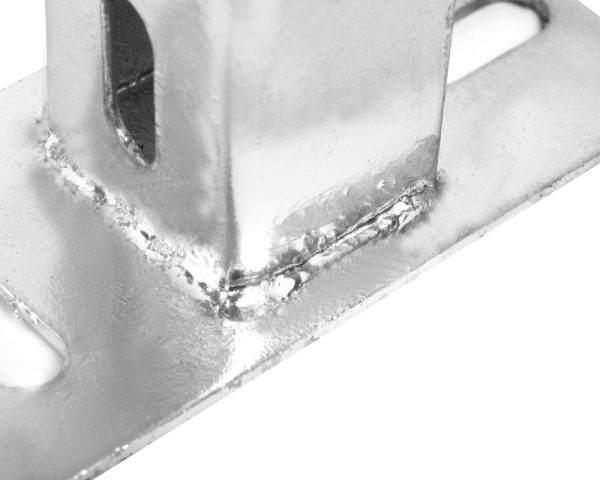
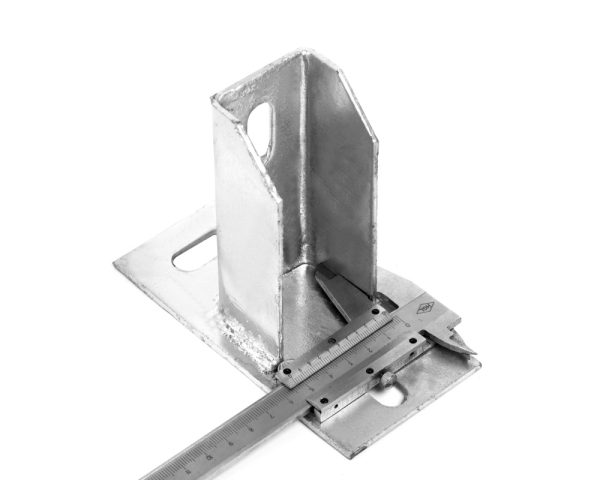
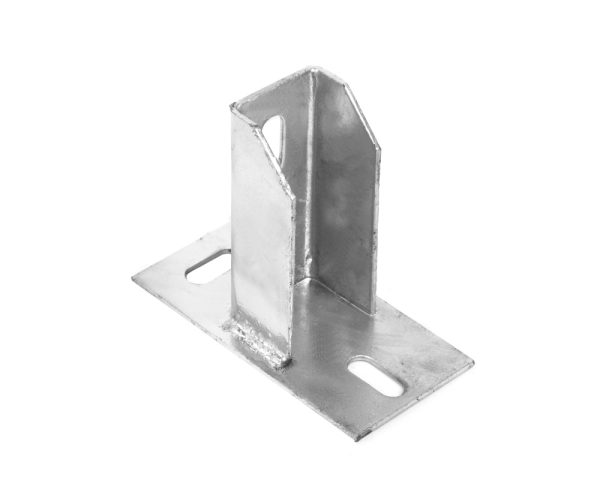
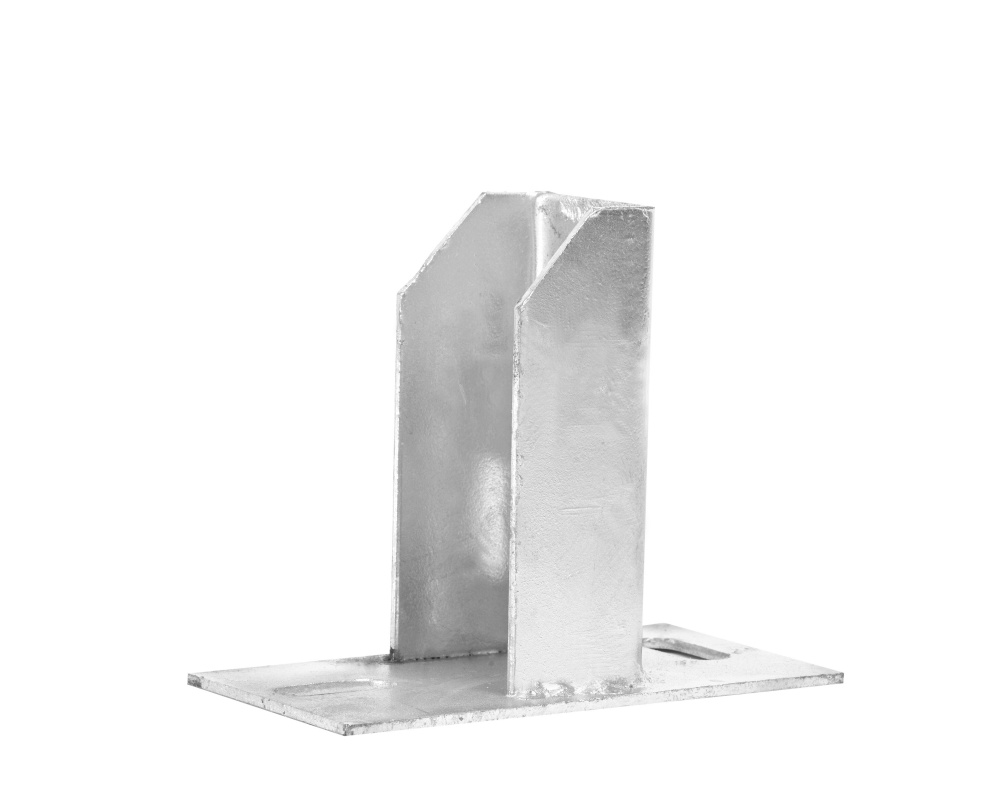
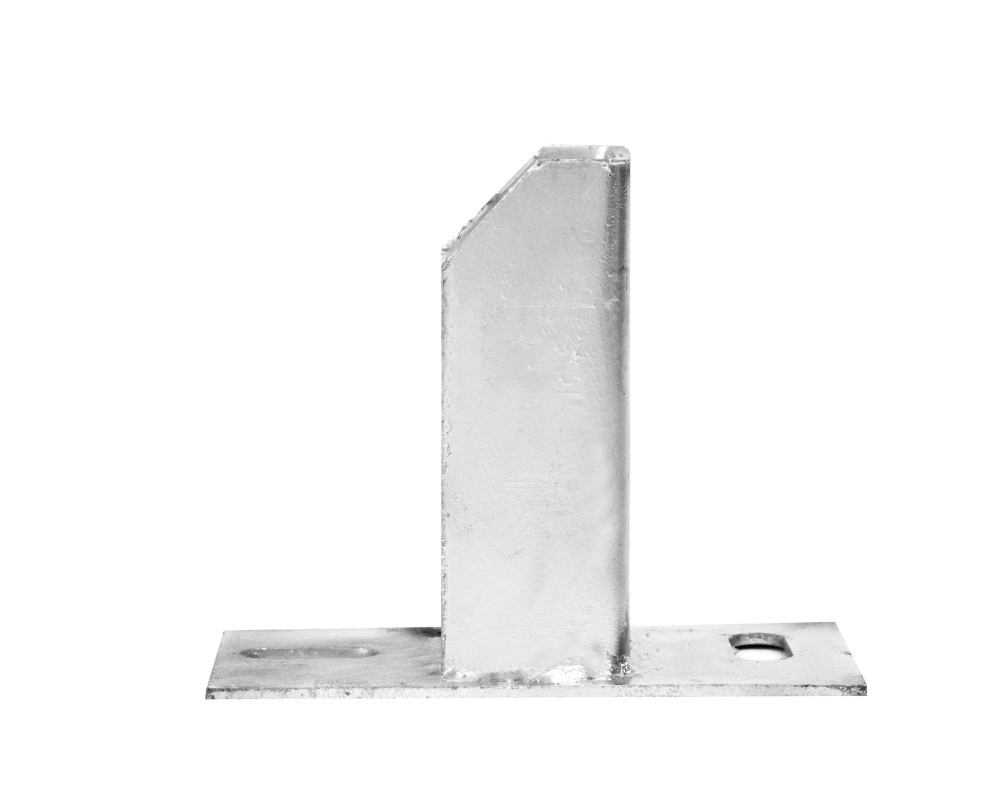
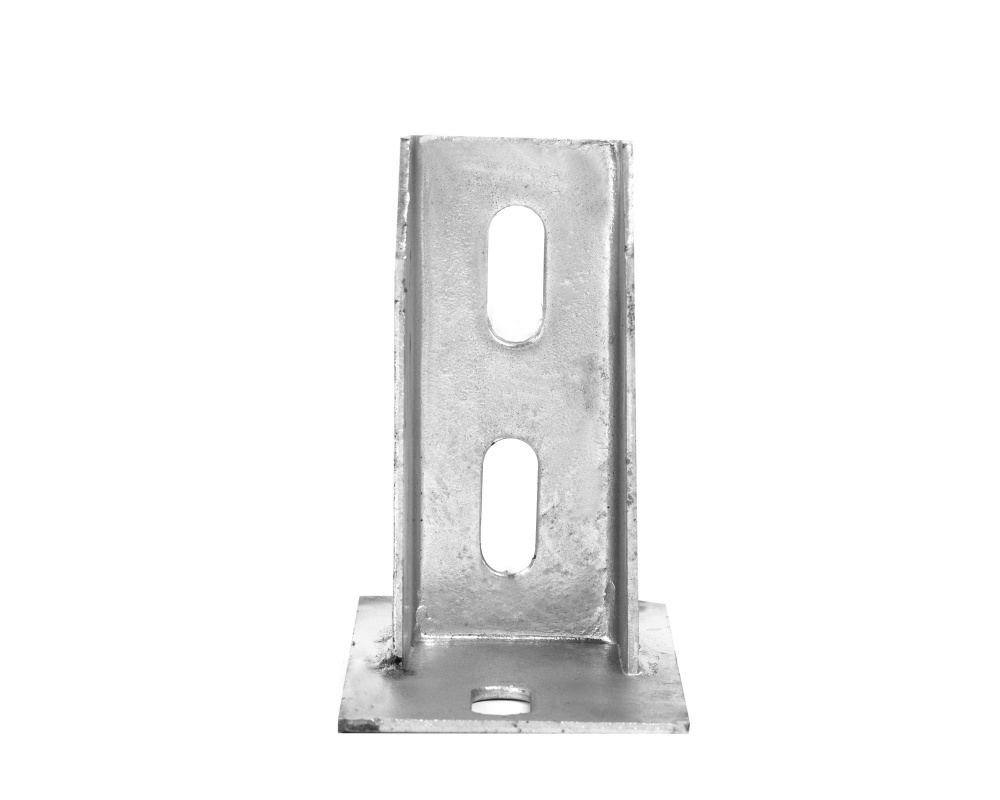
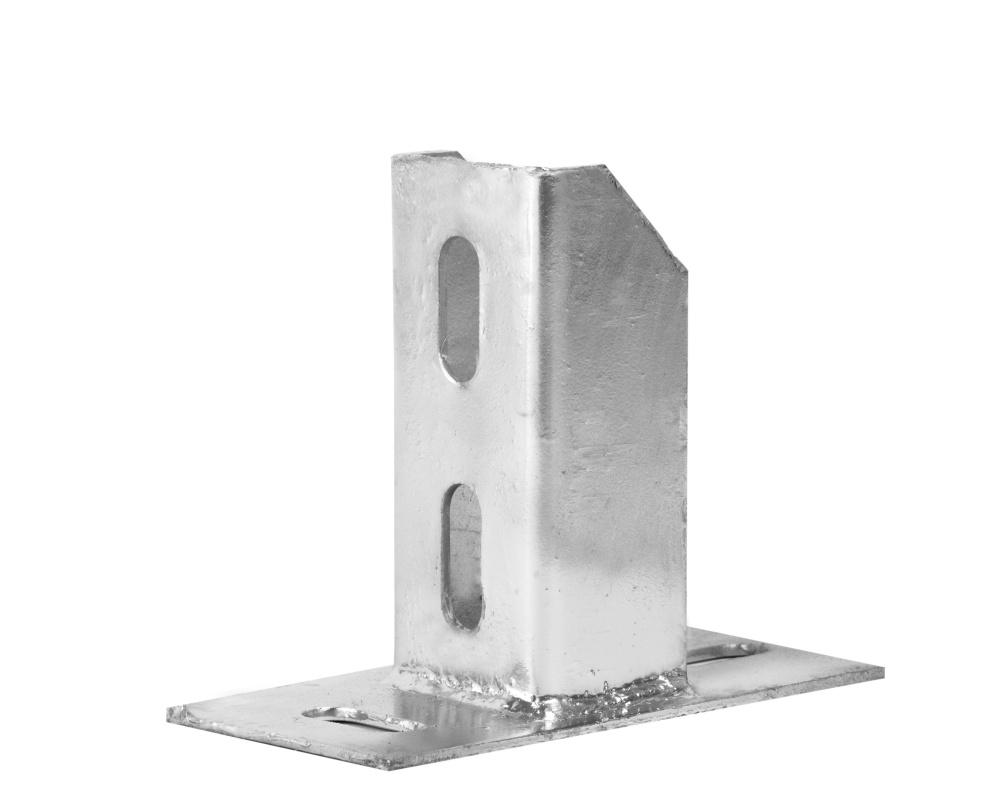
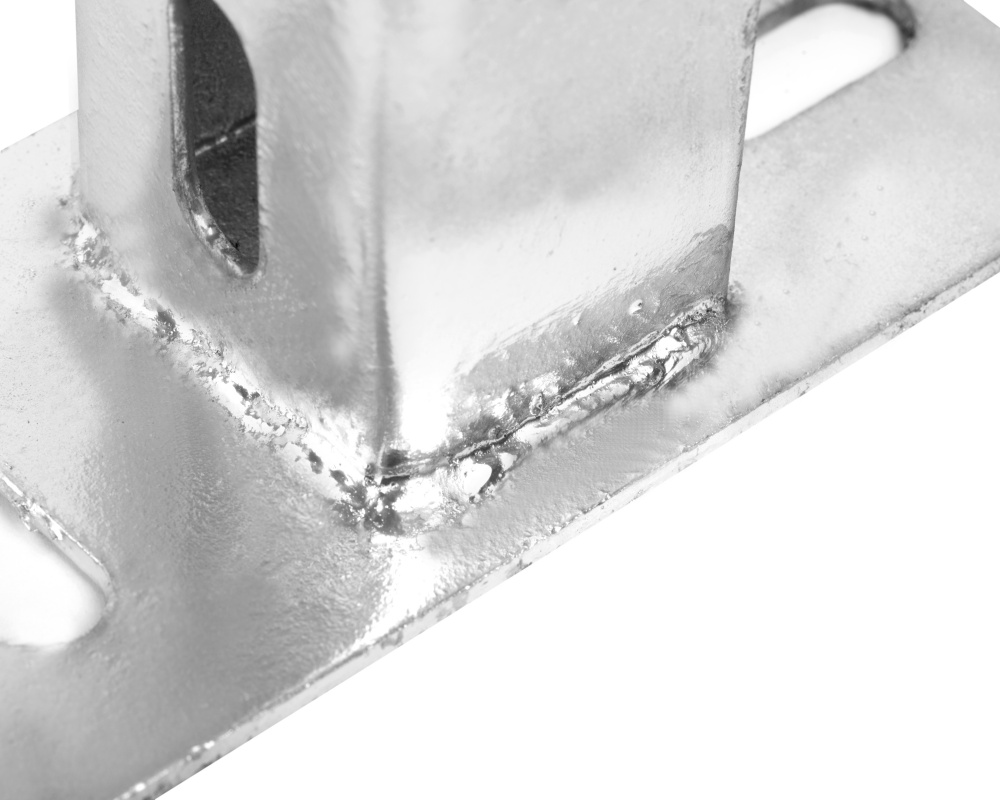
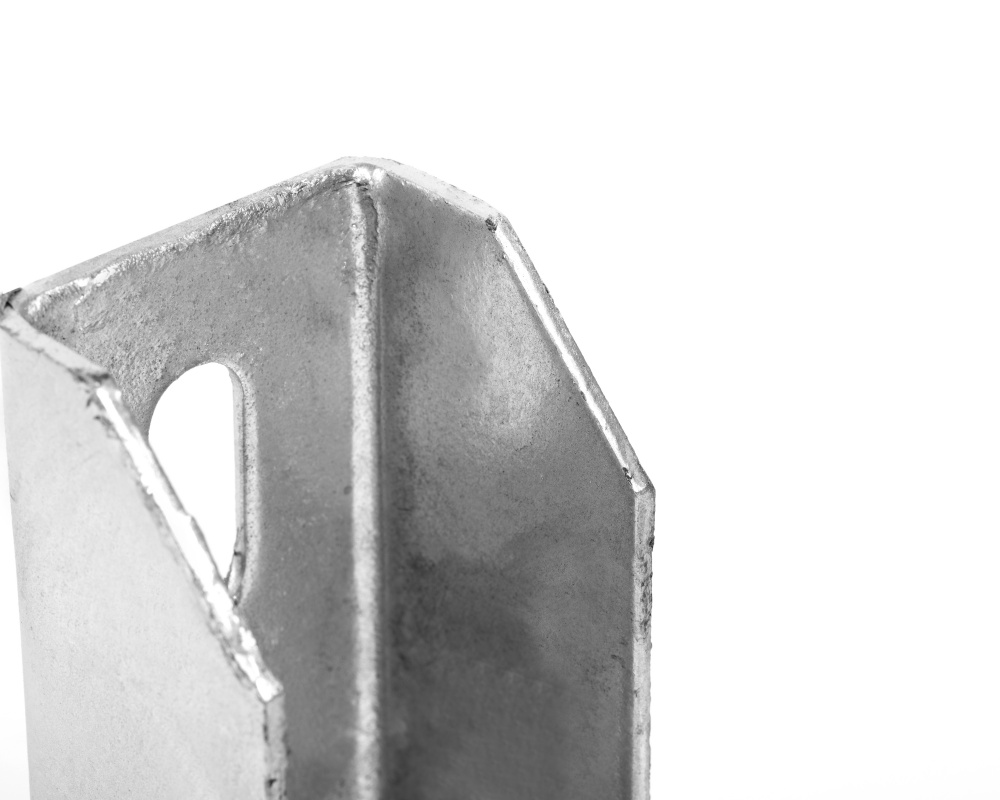
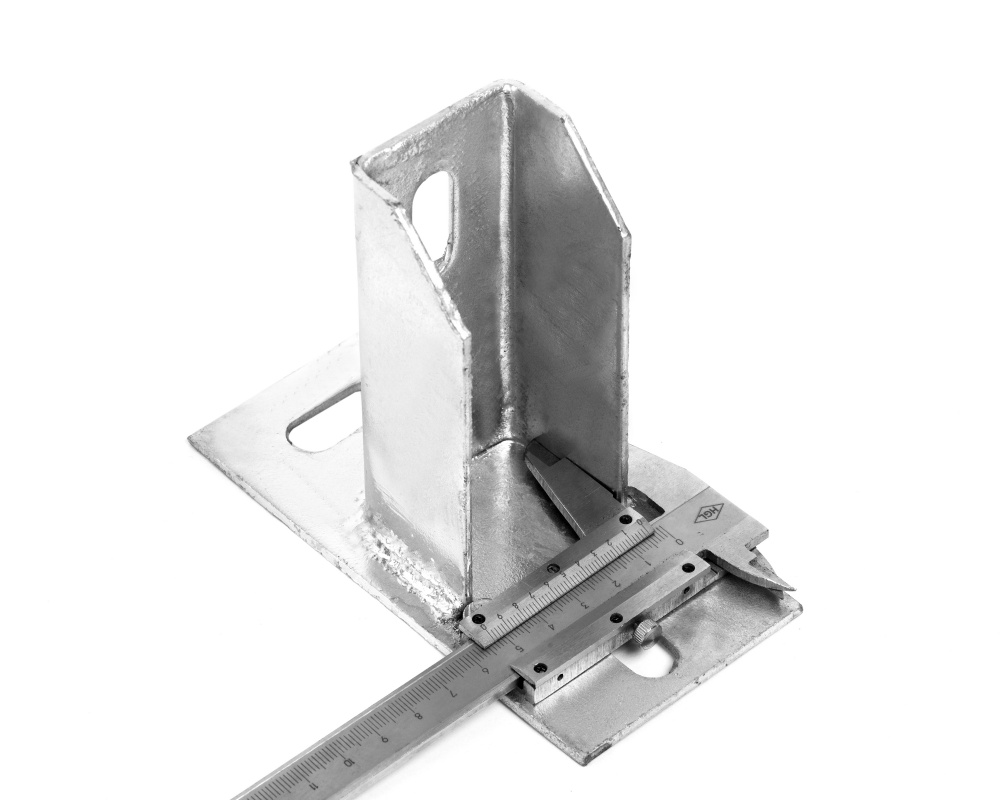
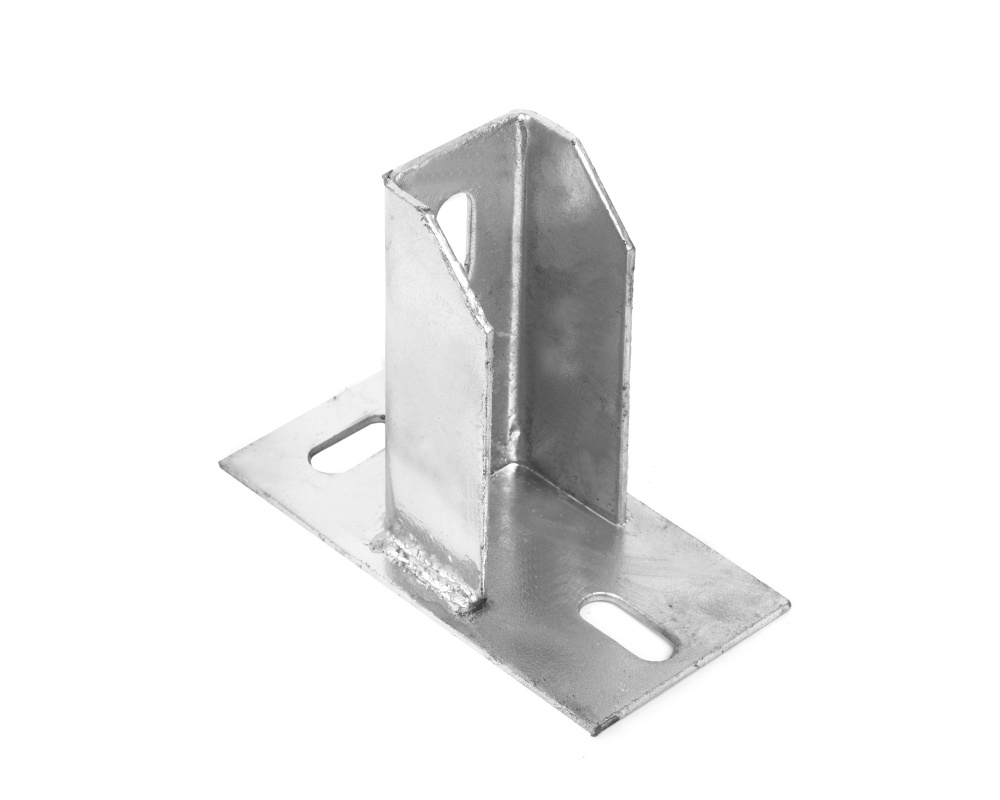
Fabao Machinery fabricates column base connectors custom-matched to your post section — square tube, rectangular hollow section, or round pipe. We supply the base plate, the welded stub adapter, the levelling nuts, and the bolt pattern — all to your structural specification.
How a Column Base Connector Works
       ┌─────────────────────────┐
       │      SQUARE TUBE        │ ← Column welded or bolted into adapter
       │         (post)          │
       └───────────┬─────────────┘
                   │
             ┌─────┴─────┐
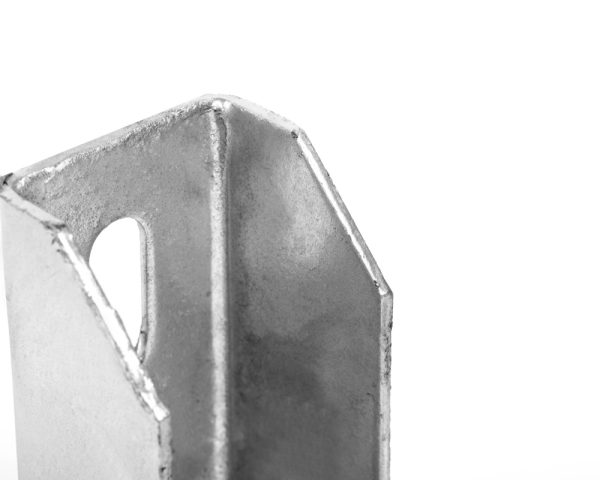
             │  ADAPTER   │ ← Short stub section, slightly larger, welded to base plate
             └─────┬─────┘
                   │
┌──────────────────┴──────────────────┐
│           BASE PLATE                │
│    ●                         ●      │ ← Anchor bolt holes (4 typical)
│                                     │
│          ◆          ◆               │ ← Levelling nuts (above & below plate) for vertical alignment
└─────────────────────────────────────┘
                   │
         CONCRETE FOUNDATION
The levelling nut system: Above and below the base plate, nuts on the anchor threads allow precise vertical adjustment. Turn the lower nut to raise the plate; turn the upper nut to lock. No shim stacks. No guesswork. The column is plumbed, then grouted.
Column Section & Base Plate Selection Guide
| Column Type | Section Size (mm) | Base Plate (mm) | Anchor Bolt | Material |
|---|---|---|---|---|
| Square RHS | 80×80 – 120×120 | 200×200 ×12 | 4-M16 | Q235B HDG |
| Square RHS | 150×150 – 200×200 | 300×300 ×16 | 4-M20 | Q355B HDG |
| Rectangular RHS | 120×80 – 200×100 | 280×200 ×12 | 4-M16 | Q235B HDG |
| Round CHS | Ø76 – Ø140 | 250×250 ×12 | 4-M16 | Q235B HDG |
| Heavy (canopy) | 200×200 – 300×300 | 400×400 ×25 | 6-M24 | Q355B HDG 85μm |
| Stainless (visual) | All sizes | Per column | SS316 anchors | SS316 Passivated |
*Adapter stub: supplied 50–100mm taller than the column section, with pre-drilled bolt holes or welding preparation. Column-to-adapter connection: bolted or site-welded per specification.*
Applications
-
Curtain Wall Mullion Base – Base plates anchoring aluminium or steel mullions to the floor slab at each storey, with levelling nuts compensating for slab irregularities.
-
Canopy & Awning Columns – Heavy base plates for cantilevered canopy support posts, designed to resist wind uplift and moment.
-
Balustrade & Handrail Posts – Smaller base anchors for glass balustrade uprights along balconies, terraces, and staircases.
-
Steel Frame Column Bases – Primary column base connections in low-rise steel-frame buildings, mezzanines, and platforms.
-
Signage & Architectural Feature Supports – Base plate connectors for standalone architectural columns, entry gate posts, and feature pylons.
Levelling Nut System — Adjustment Without Shims
Traditional base plate levelling relies on steel shims and grout, with the column weight resting on the shim stack before grouting. Our system integrates levelling nuts on each anchor bolt — above and below the base plate. The installation sequence:
-
① Anchor bolts cast-in or post-fixed with chemical epoxy.
-
② Lower levelling nuts set to the desired base plate elevation.
-
③ Base plate placed onto lower nuts.
-
④ Upper levelling nuts run down to lock the plate.
-
⑤ Column plumb checked; nuts adjusted as needed.
-
⑥ Non-shrink grout packed under the plate for full bearing.
Result: a column base that is perfectly level, fully bedded, and code-compliant — without a single shim.
Frequently Asked Questions
1. Can you supply the anchor bolts and levelling nuts with the base plate?
Yes. We supply complete sets including cast-in anchor rods, levelling nuts, flat washers, and lock nuts in matched steel grade — carbon steel HDG or stainless steel.
2. How do you ensure the adapter stub fits my column exactly?
The adapter stub is fabricated with an internal clearance of +2–3mm over the column section, allowing easy insertion while maintaining a tight fit for welding or bolting. Send your exact column dimensions.
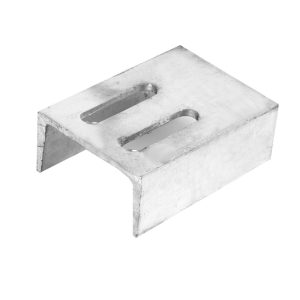
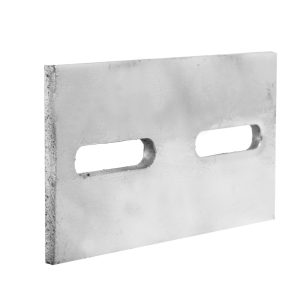
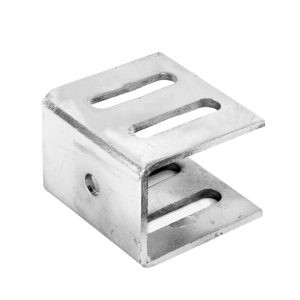
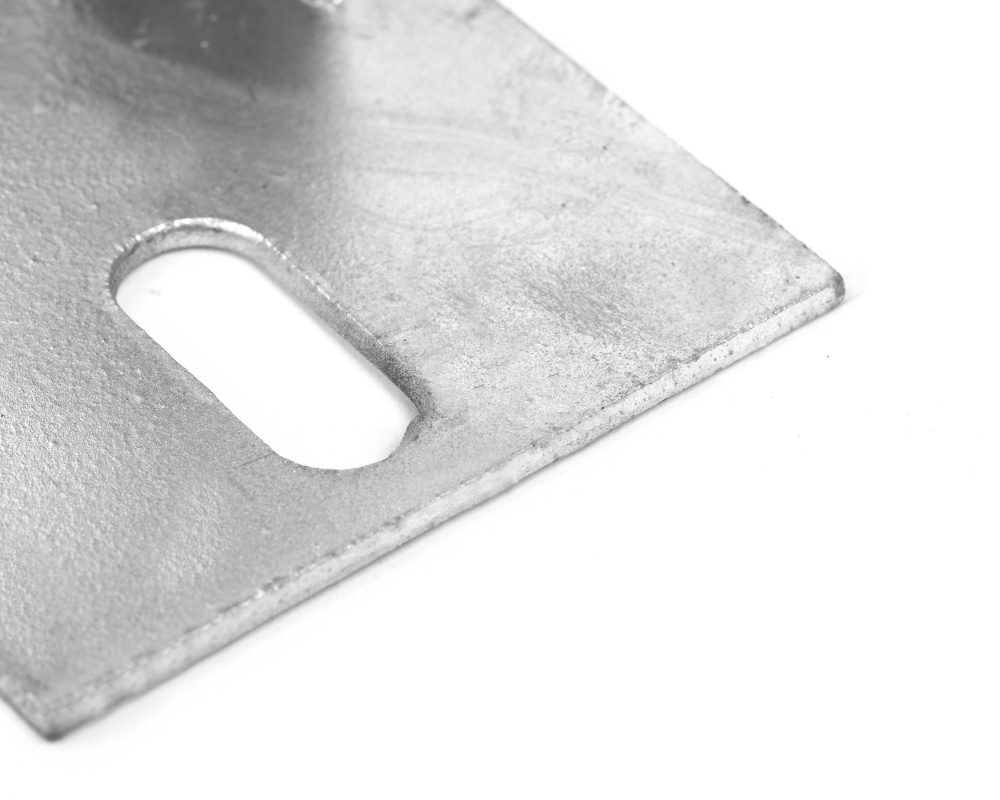
3. Can the base plate be supplied with open slots instead of round holes?
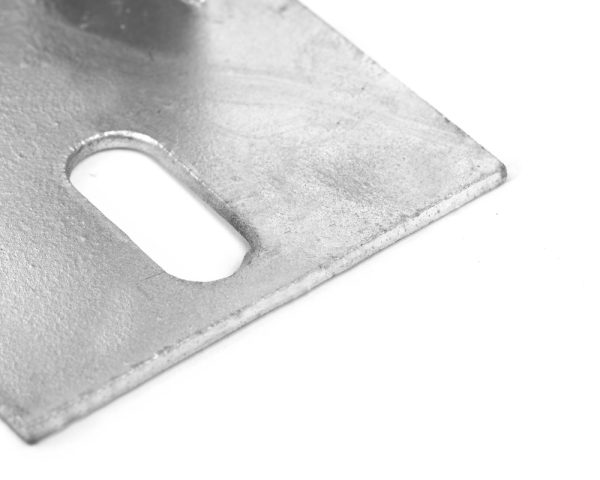
Yes. Slotted holes allow ±10mm to ±20mm positional adjustment before final bolt tightening. Specify slot orientation and adjustment direction.
4. What if my column requires a moment-resisting base — can you provide stiffened plates?
Absolutely. For moment connections, we weld triangular stiffener plates between the adapter stub and the base plate. Provide the moment and axial load values; we’ll design and fabricate accordingly.
5. How are these packaged for export — heavy base plates can be challenging?
Each base plate is packed flat on timber-separated pallets. Levelling nuts and bolts are bagged and boxed. For stainless parts, protective wrap prevents transit scratching. Light-gauge adapters are reinforced against deformation.
Why Fabao for Column Base Connectors?
-
Custom-Matched Adapter – Every base is built around your actual column section — not a generic approximation.
-
Levelling Nut System Available – Above-and-below-plate nut adjustment eliminates shimming; faster installation, better bedding.
-
Thick-Plate Capability – 10–30mm base plates laser-cut with clean holes and chamfered edges.
-
In-House Galvanizing – Full hot-dip coverage on all faces, including inside the adapter stub.
-
Export-Ready Bulk Packaging – Heavy bases palletized and strapped; all included hardware boxed for single-PO convenience.

Reviews
There are no reviews yet.