
Product Description
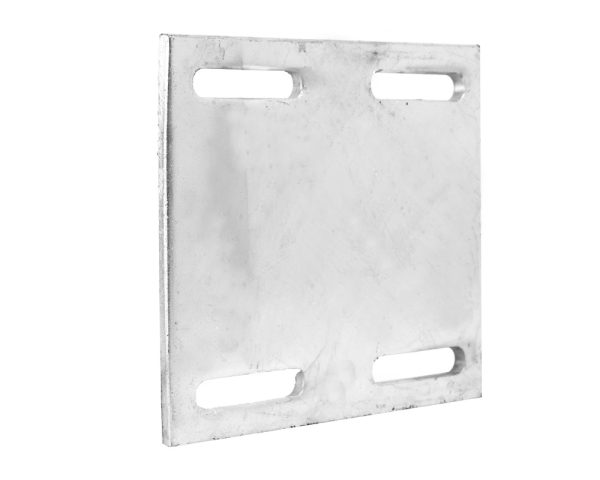
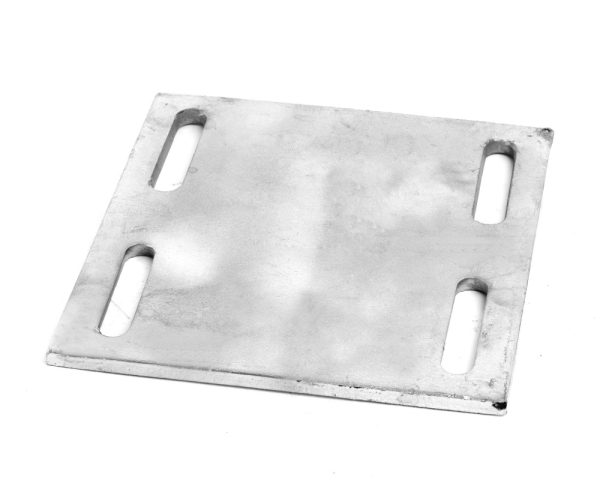
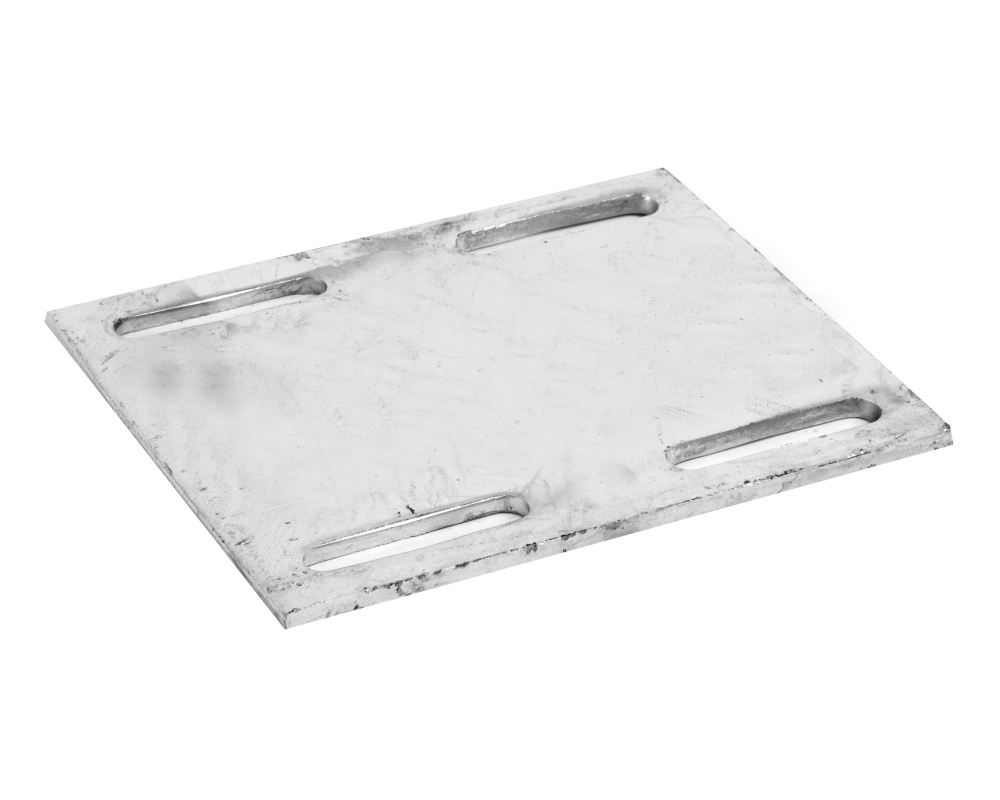
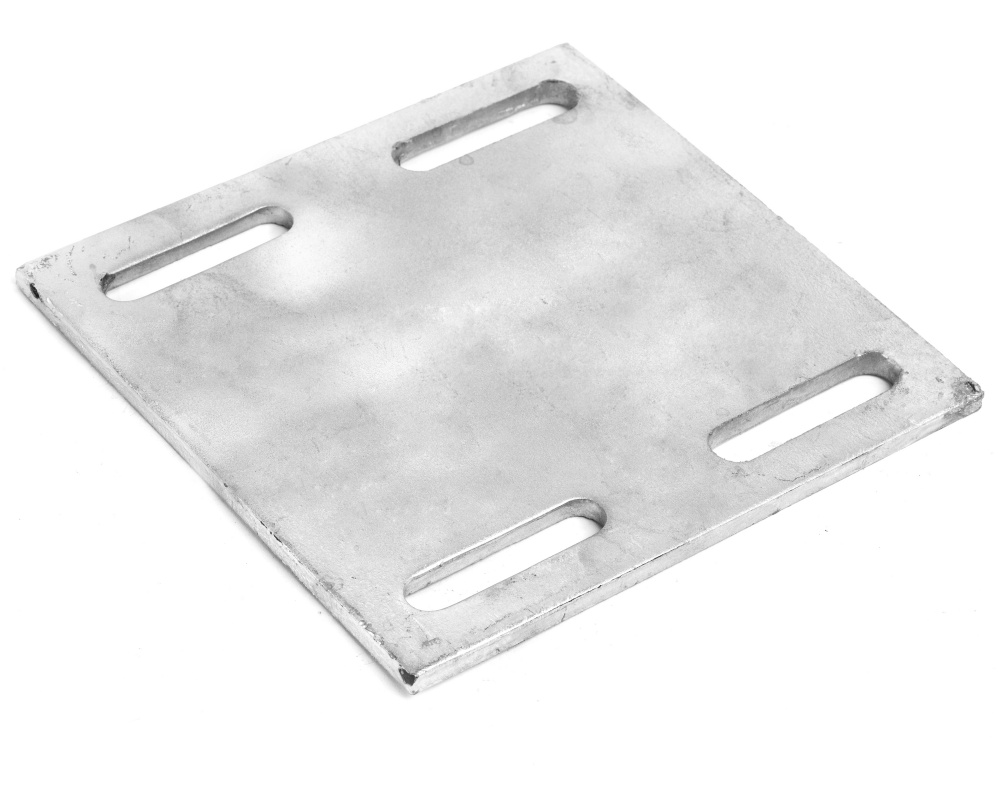
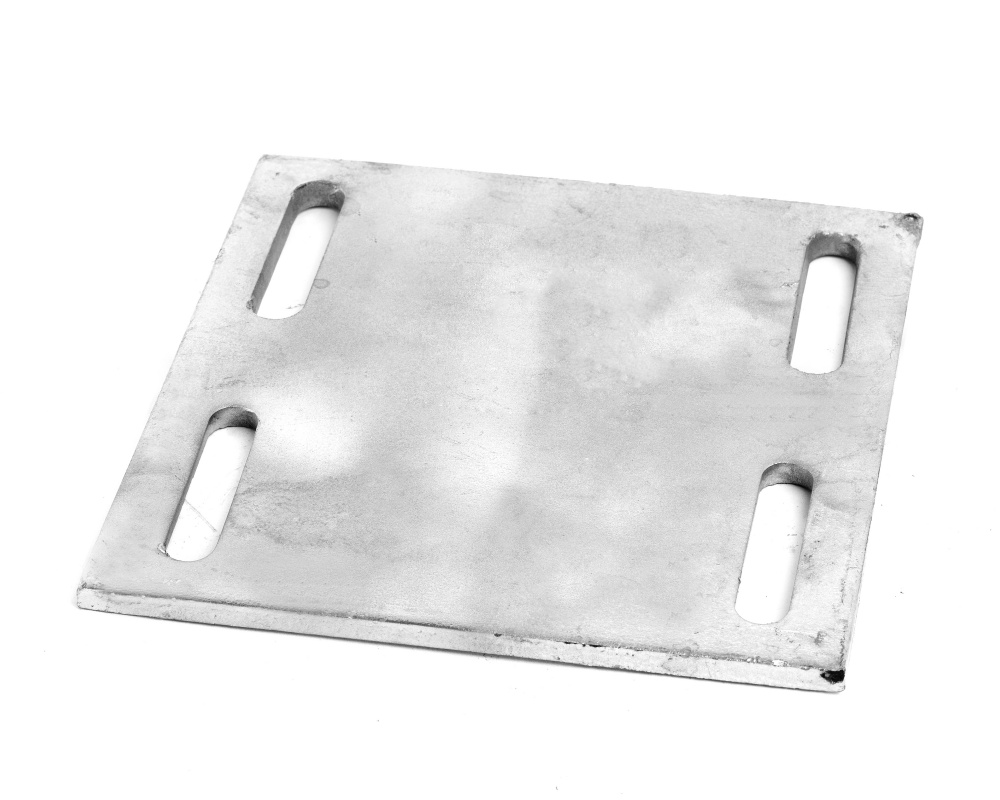
Two Bolts Adjust One Direction. Four Bolts Adjust the Whole Joint.
On a typical curtain wall installation, misalignment rarely happens in just one axis. The embed plate is 5mm too high. The bracket is 8mm off to the left. The transom arrives slightly rotated. Fixing one dimension at a time isn’t efficient — it means loosening, re-tightening, loosening again, re-tightening again.
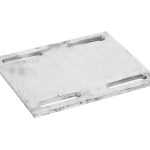
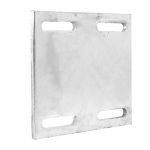
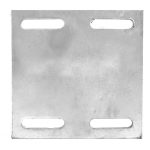
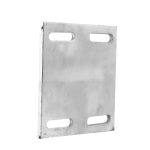
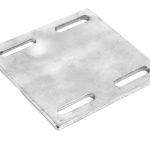
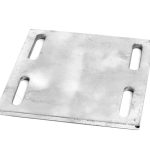
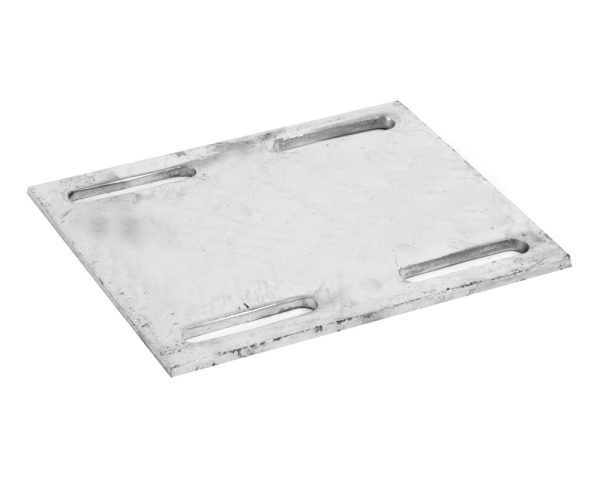
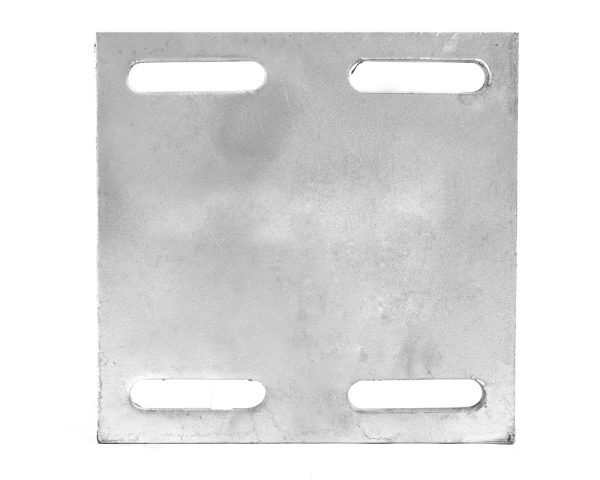
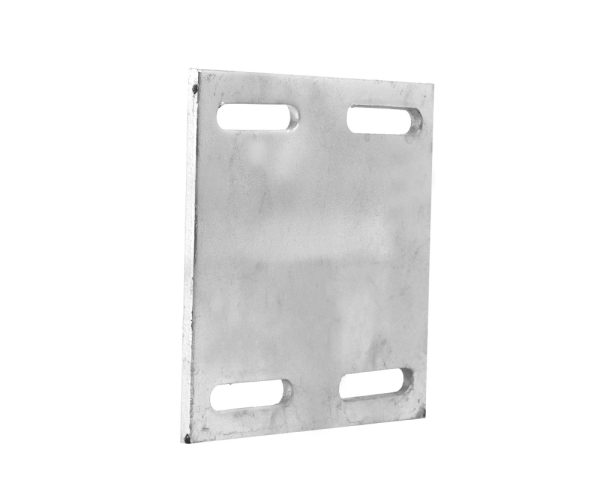
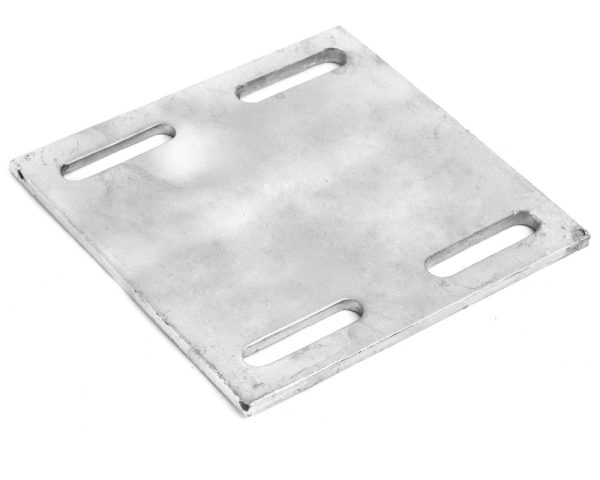
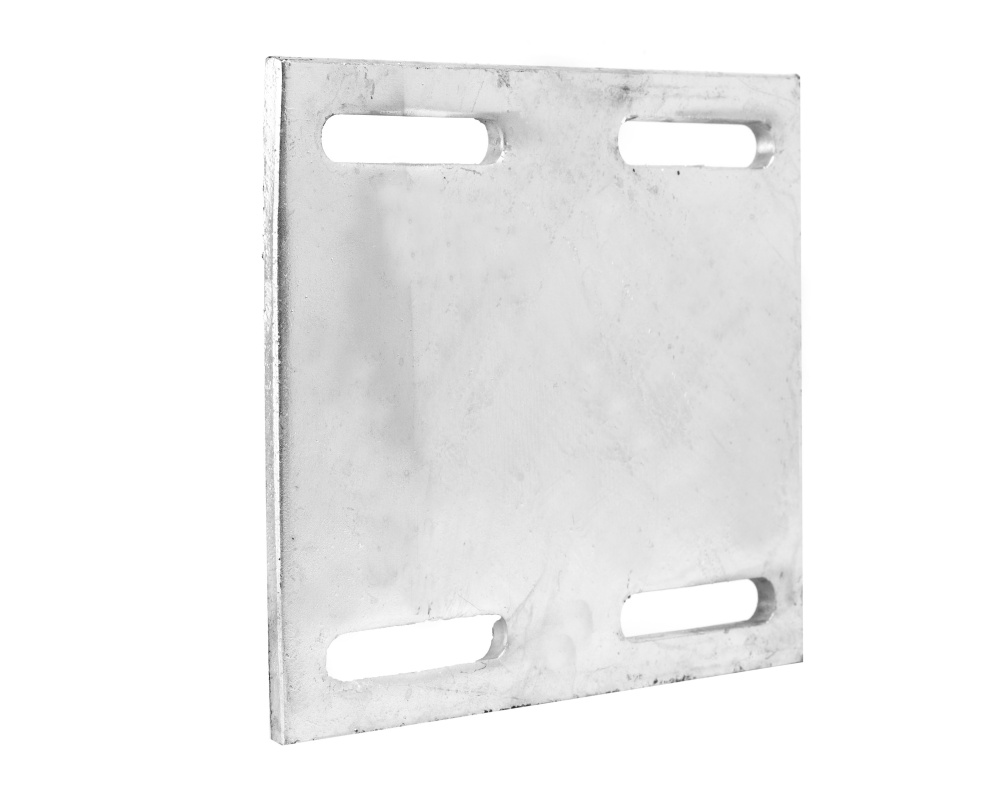
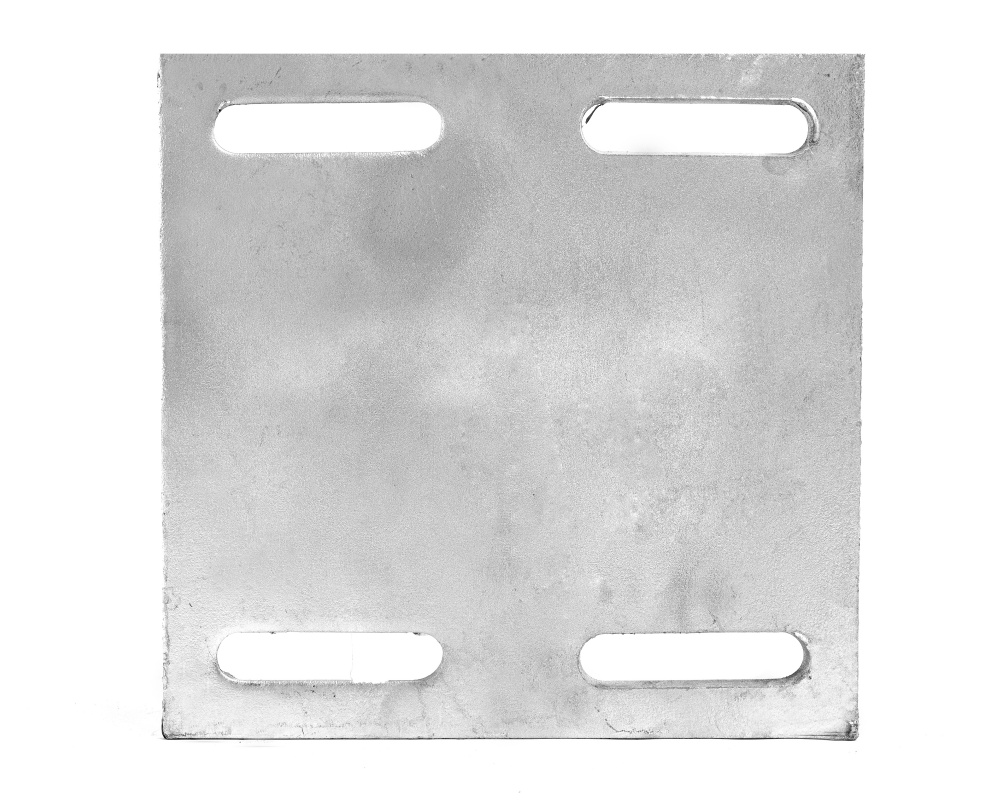
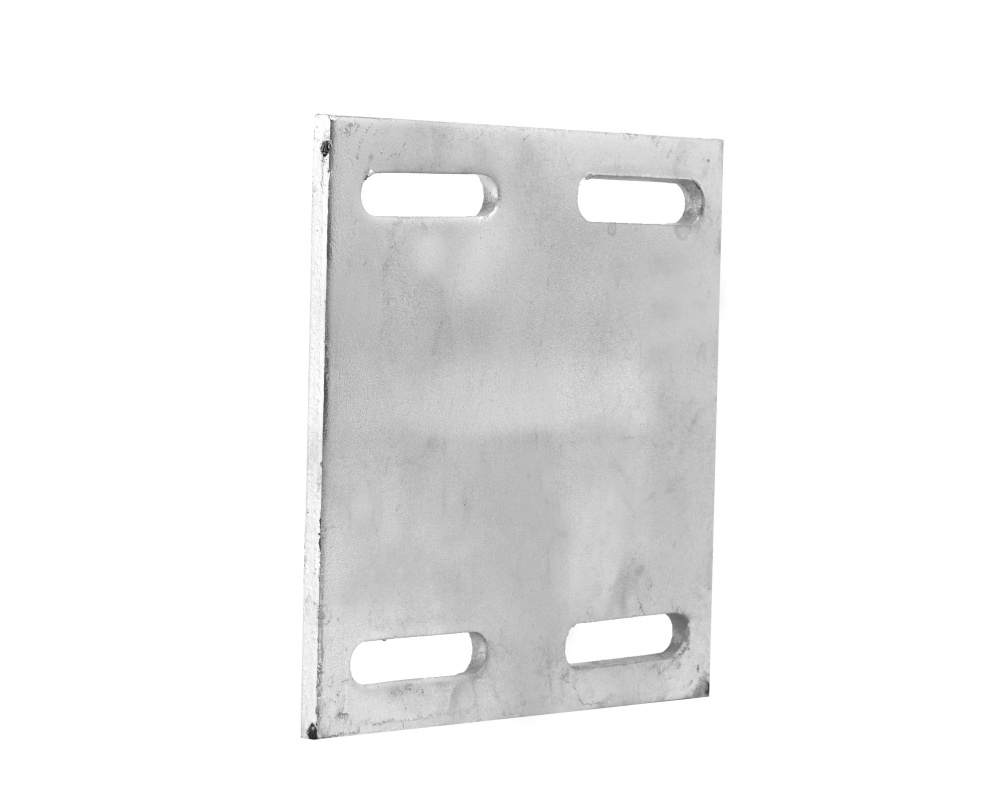
The 4-slot adjustable connection plate eliminates this back-and-forth. Two slots control vertical movement. Two slots control horizontal alignment. Loosen all four bolts, shift the plate in both directions simultaneously, torque down — and the joint is aligned in one operation.
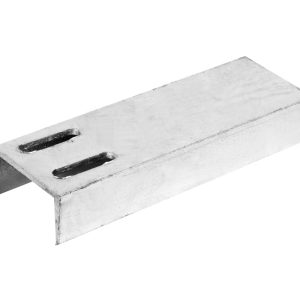
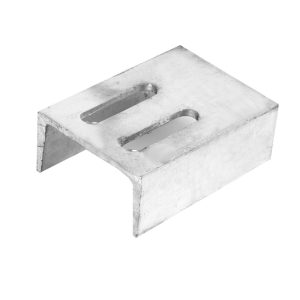
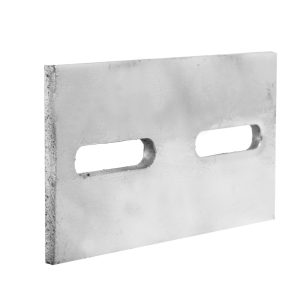
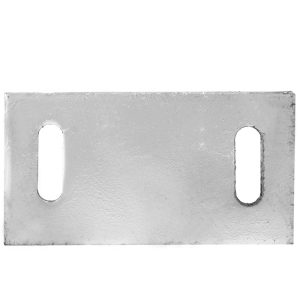
Fabao Machinery fabricates 4-slot adjustable plates with slot orientations and dimensions matched to your installation tolerances. Whether your project calls for ±15mm adjustment or ±40mm, we cut every slot to your specification.
How the 4-Slot Plate Achieves Multi-Directional Adjustment
         ← Slot 1 (vertical) ──→
    ┌──────────────────────────────┐
    │  ▓▓▓▓▓▓▓▓▓▓▓▓▓▓▓▓▓▓▓▓▓▓▓▓  │
    │  ▓▓▓▓▓▓▓▓▓▓▓▓▓▓▓▓▓▓▓▓▓▓▓▓  │
    │  ▓▓▓▓▓▓▓▓▓▓▓▓▓▓▓▓▓▓▓▓▓▓▓▓  │
    │  ▓▓▓▓▓▓▓▓▓▓▓▓▓▓▓▓▓▓▓▓▓▓▓▓  │
    │  ▓▓▓▓▓▓▓▓▓▓▓▓▓▓▓▓▓▓▓▓▓▓▓▓  │
    │  ▓▓▓▓▓▓▓▓▓▓▓▓▓▓▓▓▓▓▓▓▓▓▓▓  │
    └──────────────────────────────┘
         ← Slot 2 (vertical) ──→

          ↕ Slot 3 (horizontal) ↕
    ┌──────────────────────────────┐
    │                              │
    │                              │
    │         PLATE BODY           │
    │                              │
    │                              │
    └──────────────────────────────┘
          ↕ Slot 4 (horizontal) ↕
Slot orientation options:
| Configuration | Adjustment Achieved | Typical Application |
|---|---|---|
| 2 vertical + 2 horizontal | Up/down + left/right | Bracket-to-embed plate connection |
| 4 parallel vertical | Extended vertical travel (40–80mm) | Column splice alignment |
| 4 parallel horizontal | Extended horizontal travel | Beam flange splice |
| 2 slots at 45° + 2 slots at -45° | Diagonal adjustment in tension rods | Bracing connection |
2-Slot vs. 4-Slot Adjustable Plate
| Factor | 2-Slot Plate | 4-Slot Plate |
|---|---|---|
| Adjustment Direction | Single axis only | Two axes simultaneously |
| Alignment Speed | Sequential — adjust one direction, lock, adjust the other | Parallel — adjust both directions at once |
| Rotation Correction | None | ±3° to ±5° possible with slot clearance |
| Best Use | Beam splice, linear joint | Bracket-to-embed, transom alignment, multi-axis joints |
| Installation Time | Moderate | Faster — one loosening, one tightening cycle |
| Cost | Lower | Marginal increase for significantly more flexibility |
Standard Dimension Reference
| Model | Plate (mm) | Thickness (mm) | Slot Pattern | Slot W×L (mm) | Material | Surface |
|---|---|---|---|---|---|---|
| SP4-15080-Q | 150×80 | 4 / 5 / 6 | 2V + 2H | 11×35 | Q235B | HDG |
| SP4-200100-Q | 200×100 | 5 / 6 / 8 | 2V + 2H | 14×45 | Q235B | HDG |
| SP4-250120-Q | 250×120 | 6 / 8 / 10 | 2V + 2H | 14×55 | Q235B | HDG |
| SP4-300150-Q | 300×150 | 8 / 10 / 12 | 4 parallel | 18×65 | Q235B | HDG 85μm |
| SP4-200100-S | 200×100 | 5 / 6 | 2V + 2H | 14×45 | SS316 | Passivated |
Custom slot orientations, non-rectangular plates, and mixed round/slotted hole combinations produced to your drawing.
Applications
-
Embed Plate to Curtain Wall Bracket – The primary use case. Four slotted holes allow the bracket to be positioned precisely in both vertical and horizontal planes, compensating for concrete pour tolerances and embed plate placement deviations.
-
Transom-to-Mullion Alignment – Connecting transom ends to vertical mullions where slab-to-slab variation creates both vertical and horizontal misalignment.
-
Steel Column Base Plate Adjustment – Multi-directional positioning of column base plates before grouting, where the column must be plumbed in two planes simultaneously.
-
Canopy & Awning Multi-Axis Joints – Adjustable splice plates at canopy connection nodes where both elevation and lateral alignment must be fine-tuned after steel erection.
-
Renovation & Retrofit Connections – Connecting new steelwork to existing structures where as-built dimensions are uncertain in both X and Y axes.
Frequently Asked Questions
1. Why choose a 4-slot plate over a 2-slot plate?
When your connection requires adjustment in two directions — for example, vertical alignment (height) and horizontal alignment (left/right) — a 4-slot plate enables both adjustments simultaneously. This reduces installation time and eliminates the need for multiple shimming passes.
2. Can I order a plate with two slots and two round holes?
Yes. A mixed configuration — two fixed reference holes plus two slotted holes — is common. The fixed holes establish a datum point, and the slots provide adjustment. Specify hole type and position per hole on your drawing.
3. How do you ensure the slots don’t weaken the plate?
Slot dimensions are calculated to maintain minimum edge distance and net section area. For critical structural applications, we can increase plate thickness to compensate for material removed by the slots. Send your load requirements for an engineering review.
4. Does galvanizing fill the slots and reduce adjustment range?
We compensate for galvanizing thickness during slot cutting. Slots are slightly oversized so that after HDG coating (50μm+), the finished slot width remains within bolt clearance tolerance. Bolts slide freely post-coating.
5. Can you supply slip-resistant serrations on the contact face?
Yes. Serrated or indented contact faces are available to increase slip resistance after bolt tightening. Specify this requirement — it’s especially recommended for connections subject to vibration or dynamic loading.
Why Fabao for 4-Slot Adjustable Plates?
-
Precision Slot Orientation – Laser-cut slots with verified perpendicularity between vertical and horizontal slot axes.
-
Burr-Free Finishing – Every slot edge is deburred after cutting; bolts won’t catch or gall during adjustment.
-
Slot Width Guarantee – Finished slot width within +0.5mm of specification after coating — tight enough for bolt guidance, loose enough for smooth sliding.
-
In-House Galvanizing – Two galvanizing lines ensure consistent coating without third-party delays.
-
Fast Custom Turnaround – 4-slot plates ship in 10–15 days for standard sizes; custom slot configurations confirmed within 12 hours.
I. Principle of Powder Zinc Diffusion
II. Process Characteristics of Powder Zinc Diffusion
1. Coating Thickness & Uniformity
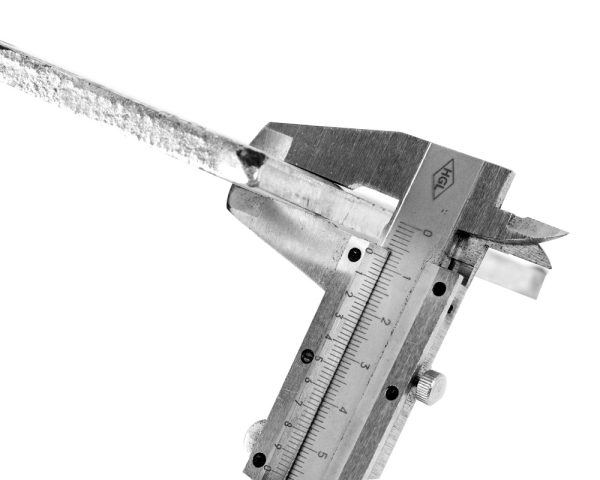
- The thickness of powder zinc diffusion coating depends only on heating temperature and holding time, basically independent of the shape and position of components, with a general thickness of 15~130μm.
- Hot-dip galvanizing coating thickness ranges from 15~130μm; the coating thickness differs significantly between planes and corners of components, featuring poor uniformity and low controllability.
- Electro-galvanizing coating thickness is generally 5~25μm with good uniformity on plane surfaces, yet the coating on internal cavities of components is extremely thin or even non-existent.
- Thermal sprayed zinc coating thickness is 84~300μm (up to 3mm), with poor thickness uniformity and low compactness.
2. Hardness Performance
- Hardness of zinc diffusion coating: 250~420HV.
- Hardness of hot-dip galvanizing and electro-galvanizing coatings (pure zinc): 75~88HV.
- Thermal sprayed zinc coating is composed of pure zinc with a porosity of 1%~15%, resulting in even lower hardness.
- Dacromet coating has the lowest hardness, only 2~6H (H refers to pencil hardness unit).
3. Adhesion & Mechanical Property
- Tensile strength at the interface between coating and base material: 600~700kg/mm²
- Tensile strength of coating surface layer: 300~350kg/mm²
4. Corrosion Resistance
The powder zinc diffusion layer features iron-zinc alloy structure, and the potential difference between the diffusion layer and iron is lower than that between pure zinc and iron. As an anodic protective layer, it delivers superior protective effect, with corrosion resistance 10%~30% higher than hot-dip galvanizing.
The uniform zinc diffusion layer has excellent adhesion with paint and polymer coating materials. The composite coating shows remarkably better corrosion resistance than hot-dip galvanizing, electro-galvanizing and thermal sprayed zinc coatings.
5. Hydrogen Embrittlement Prevention
6. Zinc Consumption
7. Environmental Performance
By contrast:
- Hot-dip galvanizing produces zinc waste and zinc vapor pollution;
- Electro-galvanizing causes serious pollution via three wastes discharge;
- Dacromet coating contains Cr⁶+ and causes severe environmental pollution, which has been restricted for industrial application abroad.
Sintered Coating (Dacromet Coating)
III. Comparison, Selection and Application of Zinc Diffusion, Hot-dip Galvanizing and Electro-galvanizing
-
Powder Zinc Diffusion: It can form thick and uniform diffusion layers with excellent corrosion resistance, meeting the fitting requirements of parts. Disadvantages include low production efficiency and dull appearance with poor decoration. It is generally applied to small and medium-sized parts.
-
Hot-dip Galvanizing: It features high production efficiency and large batch output with good corrosion resistance. However, the coating thickness is uneven and poorly controllable, failing to meet part fitting requirements. It is mostly used for large structural components.
-
Electro-galvanizing: It has attractive decorative appearance and can satisfy part fitting requirements. Limited by coating thickness, its corrosion resistance is inferior to zinc diffusion and hot-dip galvanizing. It is mainly used for indoor mechanical parts and structural components.

Reviews
There are no reviews yet.